
Natural risks
What to do in the event of a natural risk?
It is important to be aware of weather forecasts and pay attention to the instructions provided in the media.
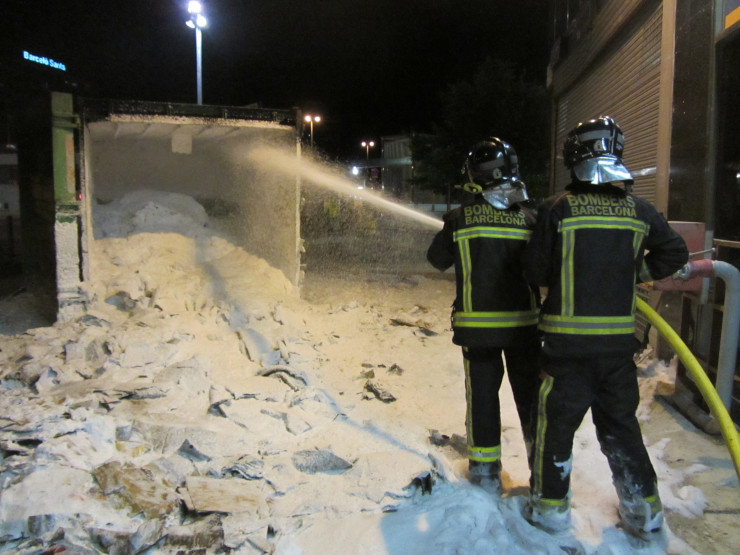
- Stay outside as little as possible. Try to take refuge in a building, such as your home or workplace.
- Be very careful when you walk on the streets if there is snow or ice. You run the risk of slipping and falling.
- If you spend a lot of time outdoors, wear several layers of lightweight, warm garments instead of one thick one. Avoid tight-fitting garments.
- Strong winds can be extremely dangerous, because they create a combination of cold air, snow and heavy gusts that lower visibility to a minimum. Consequently, avoid going out or travelling under these conditions.
- Avoid allowing extremely cold air to enter your lungs. Protect your face and head.
- Elderly people should not go outside unless strictly necessary.
- If possible, keep roof tiles and rooftops free of snow.
- Listen to the radio (see the stations below).
In your vehicle:
- Avoid travelling unless strictly necessary.
- If you have to travel, try not to go alone. Use public transport, if possible.
- Be aware of inclement weather in the areas where you are travelling.
- Avoid driving at night. The dangers are harder to detect.
- Have all the sensitive parts of your car checked: brakes, tyres, lights, antifreeze, etc.
- If you are caught by surprise by a storm while you're in your car and far from town, stay inside the car. It will protect you from the storm, and the tyres act as insulation if there is lightning. If you keep the car running with the heat on, leave a crack open in one window to circulate the air and avoid possible intoxication or poisoning. Do not fall asleep with the engine running.
- Try to make sure that the fumes from the exhaust pipe do NOT enter the car.
- Put chains on your tyres in the event of ice or heavy snow.
- Do not make sudden turns. Drive carefully, moving the steering wheel gently, in a low gear.
- Do not drive in the tyre tracks left by other cars. It's safer to drive on untouched snow.
- If you drive onto an ice patch, do not slam on the brakes. Let the vehicle cross the ice on its own momentum.
112 emergències
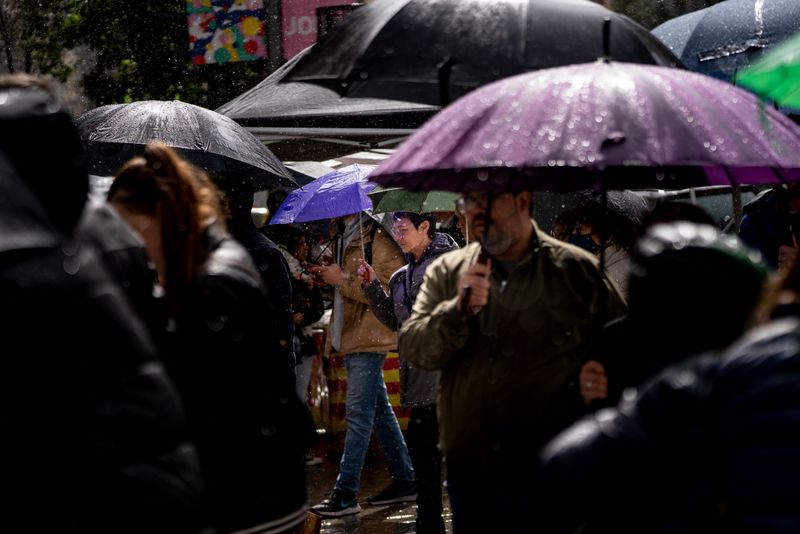
- Keep your roof gutters and terrace and courtyard drainpipes clear to allow rainwater to run off.
- Regularly check your roof and drainpipes and remove any debris that may prevent water from draining into the sewer.
- Check the condition of your lightning rod, if you have one.
- If you live in a house, remove any outdoor furniture or other objects that could be carried away by the water.
- For free-standing houses or houses with gardens, untie any animals tethered outside and bring them inside.
- To avoid polluting, place all toxic products where the water cannot reach them.
- Plan protection measures for basements and premises below street level that could become flooded.
- Store important documents in a place where they cannot be affected.
- Have useful items at hand, like a transistor, a lantern, your mobile phone, necessary medication, warm clothing and personal documents.
- Unplug electrical appliances and antennas.
- Listen to the radio to get information (see the stations below).
112 emergències
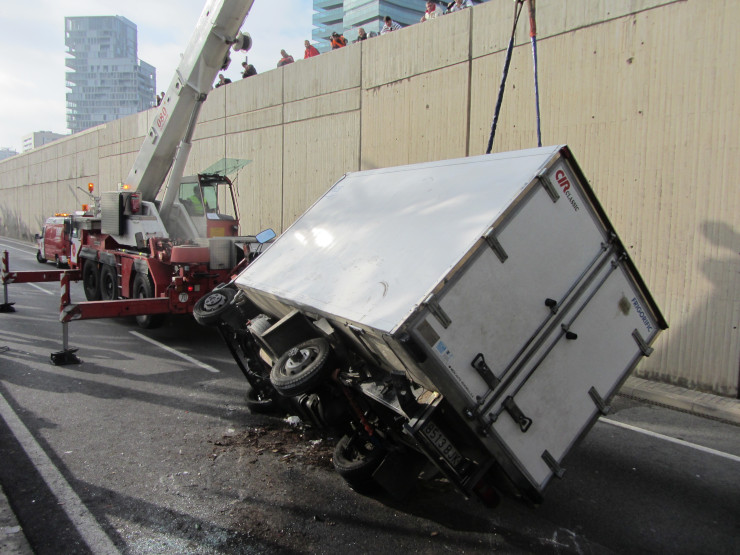
- Get as far away from buildings as you can.
- Stay inside your vehicle if you are already there, far from anything that could fall.
- If you're in a building, take shelter under a solid table or in a corner of the room.
- Do not leave during the tremors; objects may fall.
- Never use the lift.
- Listen to the radio (see the stations below).
- Turn off the water and gas stopcocks as soon as you can.
- When the tremors are over, evacuate the building if it has been damaged.
- Take your documents, clothing, medication and a portable radio, if possible.
- Go to an isolated place protected from falling objects. Walk in the middle of the street and look out for any falling objects.
- Do not use your phone: leave the lines open for the rescue teams.
- Refrain from smoking or lighting a fire; there may be gas leaks.
112 emergències
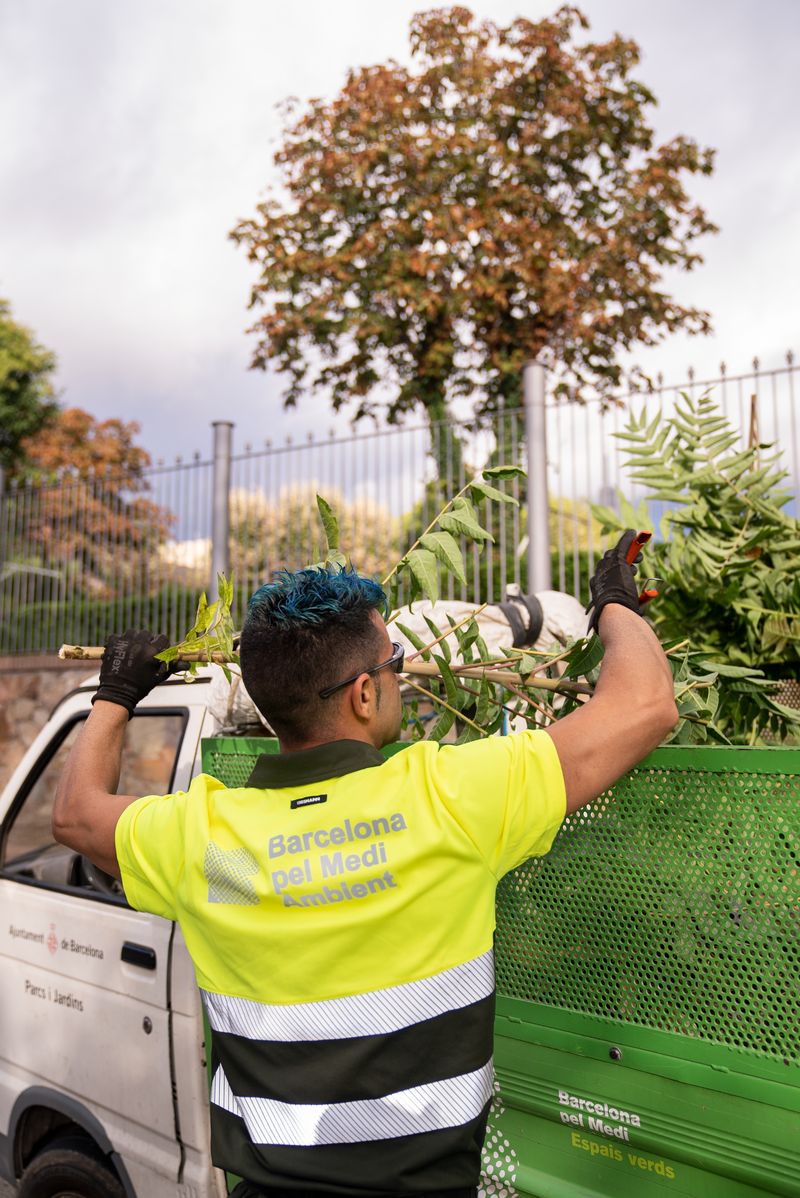
At home
- Close and secure doors and windows.
- Lower the blinds and retract awnings.
- Remove pots and other objects that could fall onto the street and cause an accident from windows and balconies. Check any stationary elements (antennas, air conditioning units, skylights, etc.).
- Think about vehicles parked in the street (cars, motorcycles, etc.). Trees, urban furniture or other elements could fall on them, and the wind can carry motorcycles away.
Outdoors
- Only go outdoors if necessary.
- If you have to go outdoors, try to stay away from cornices, walls and trees that could come loose, and take precautions around buildings under construction (with scaffolding or cranes) or in poor condition.
- Take precautions when engaging in outdoor activities (school playgrounds, sports, etc.), especially mountain activities or activities in wooded areas.
If you have to travel
- Try to avoid road travel when forecasts call for heavy winds. If you have to travel, pay attention to the possible presence of objects on the road.
- Slow down, especially in fast lanes. Heavy vehicles (lorries, buses and caravans) are very sensitive to heavy gusts of wind.
- Before driving, find out the state of the road network (012, traffic website).
If you're in a maritime zone
- Try to stay away from the beach and low-lying areas that could be affected by the tides and waves that often come with strong winds. In these situations, the sea takes on extraordinary conditions and could sweep you away if you are near it.
112 emergències
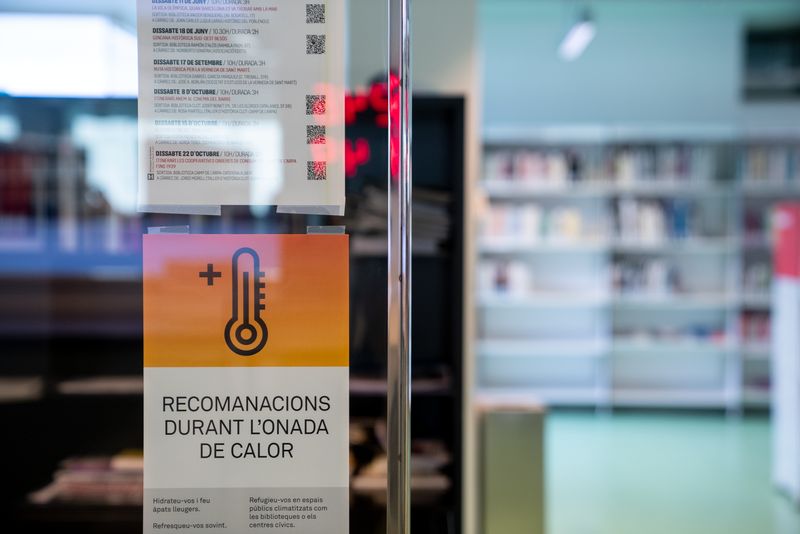
Protect yourself from the sun and heat
Control the temperature in your home:
- During sunlight hours, lower the blinds in the windows where the sun is striking.
- Open your windows at night to cool your home down.
- Stay in the coolest rooms.
- Use some type of climate control to cool the air (fans, air-conditioning, hand fans, etc.). If you haven’t got air conditioning, try to spend at least two hours a day in air conditioned places (libraries, cinemas, etc.).
- Cool down regularly by taking cold showers or using a towel soaked in cold water.
Avoid direct sunlight when you are outdoors:
- Wear a hat or cap.
- Wear lightweight, light-coloured, loose clothing (such as cotton clothing).
- Try to walk in the shade, use a parasol when you are on the beach and rest in cool places outdoors or in enclosed places with air conditioning.
- Carry water and drink frequently.
- Wet your face a little, and even your clothes.
- Take care on car journeys during the hottest part of the day, and do not leave children inside vehicles with the windows closed.
Limit your physical activity during the hottest part of the day:
- Avoid going out at midday, when it is the hottest.
- Reduce intense activities.
Drink plenty of fluids and watch what you eat:
- Drink as much water and fruit juice as you can, even when you're not thirsty.
- Do not drink alcoholic beverages.
- Avoid eating very hot or highly-calorie food.
Help others
If you know elderly or ill people who live alone:
- Try to visit them once a day.
- Help them to follow these tips.
- If they take medication, check with their doctor whether they can influence their thermoregulation in case they need to be adjusted or changed.
112 emergències