

Community Agreement, UNESCO Cities of Literature
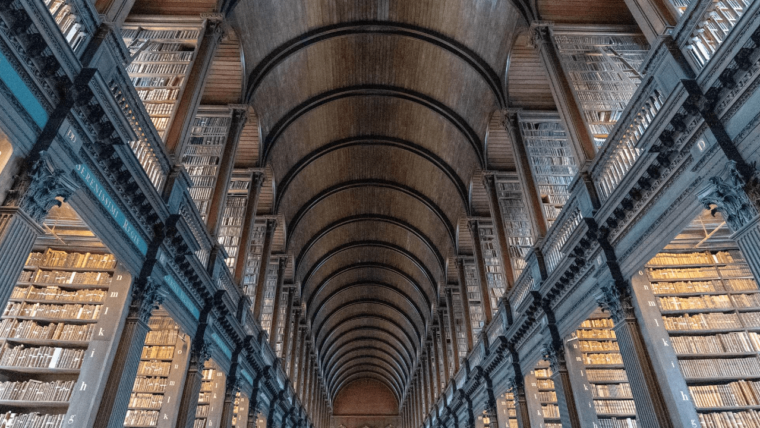
Reaffirming their commitment to freedom of expression, reading, and creativity as fundamental human rights.
17/10/2025 - 07:00 h
1.- It is our belief that society needs enlightened citizens who, based on accurate knowledge and reliable information, make choices and participate in democratic progress. As UNESCO Cities of Literature, we believe in the fundamental role of literature as a powerful lever for individual and collective development, contributing to the emergence of an increasingly educated, informed, inclusive, creative and participatory society.
Authors, translators, publishing houses, bookstores and libraries have a role to play in this which should be recognized, valued, and enabled. Through the structuring role we play in our communities and our membership of the international network of UNESCO Cities of Literature, we share the objective of supporting, promoting and strengthening the place of literature, languages and reading.
2.- We acknowledge that without freedom of speech, freedom to publish and freedom to read, literature cannot truly exist.
Subject to the limits set by international human rights law and standards, authors and publishers must have the right to explore ideas and express views freely, without fear of censorship or retaliation.
We affirm the importance of maintaining a public debate characterized by plurality, civility, respect and mutual understanding, and believe that freedom of expression is an essential condition for achieving this goal.
To this end, we would like to express our support and solidarity to those cities where freedom of expression is threatened or undermined.
3.- In light of Article 19 of the Universal Declaration of Human Rights, Sustainable Development Goal #16 (“Peace, Justice and Strong Institutions”), the Mondiacult Declaration (Articles 1, 5, 9 and others), we, as UNESCO Cities of Literature, are committed to uphold freedom of speech, freedom to publish and freedom to read as fundamental human rights and essential to the survival of literature itself.
