Barcelona Metròpolis ponders how to “unleash the present" on the occasion of the Biennial of Thought
Nine authors reflect on matters such as individualism, post-truth, techno-capitalism, migration policies, exile, the traditional concept of work and new masculinities.
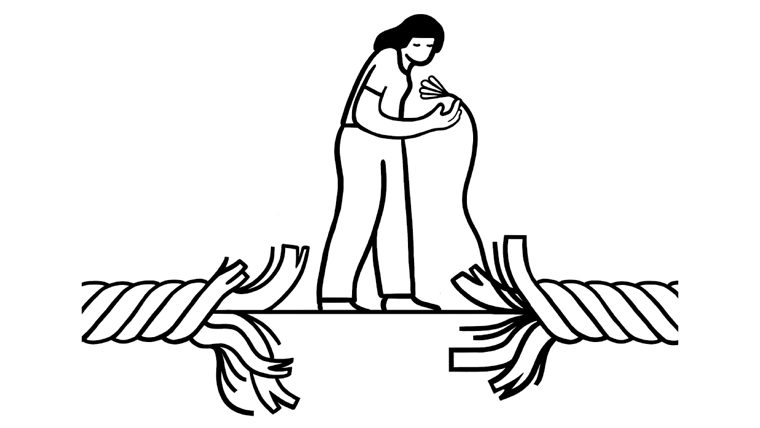
Barcelona Metròpolis, the urban thought and city magazine published by Barcelona City Council, is joining in with the fifth edition of the Biennial of Thought with an issue which shares its slogan of “Unleashing the present”. The magazine offers a critical look at the great challenges of our time and explores how to approach a present shaped by crisis, uncertainty and inequalities without ending up trapped between the nostalgia of an idealised past and catastrophic visions of the future.
In its editorial, the magazine’s director, Milagros Pérez Oliva, defends the capacity of cities to respond to challenges such as the climate crisis and the increase in inequalities to open up debate and transformation.
Under the title of “Unleashing the present”, the observatory brings together the reflections of Jean-Philippe Kindler, Míriam Cano, Lola López Mondéjar, Eudald Espluga, Ainhoa Nadia Douhaibi, Maryam Madjidi, Bernat Castany Prado, Juan Evaristo Valls Boix and Teresa Caldeira, who use different perspectives to analyse some of the phenomena shaping contemporary societies.
Jean-Philippe Kindler looks at how social and economic frustration and the sensation of a “blocked life” can fuel divisions and authoritarian responses, calling for the recovery of solidarity and the efficiency of collective action.
Míriam Cano addresses the struggle for the truth in times of post-truth and defends the need to rebuild the bonds of trust that sustain democracy.
The relationship with technology is another area addressed by the dossier. Lola López Mondéjar warns of the effects of techno-capitalism and digitalisation on human capacities such as thought, imagination and love, while, Eudald Espluga reflects on contemporary nihilism and the sensation that there are no possible alternatives to the current crises.
The observatory also looks at European migration policies, with Ainhoa Nadia Douhaibi, who sees the toughening up of borders as a colonial, racial and class dynamic that comes from way back. The writer Maryam Madjidi reflects on exile, identity and uprooting based on her own experience and her work with exiled teenagers.
The other figures making up the dossier are Bernat Castany Prado, who calls for the recovery of the political capacity to transform society; Juan Evaristo Valls Boix, with a look through the history of rejecting work and a critique of the centrality of output and productivity, and Teresa Caldeira, who analyses new masculinities and the appearance of types of paternity far removed from the tradition model of the provider father.
Culture, urban transformation and new debates
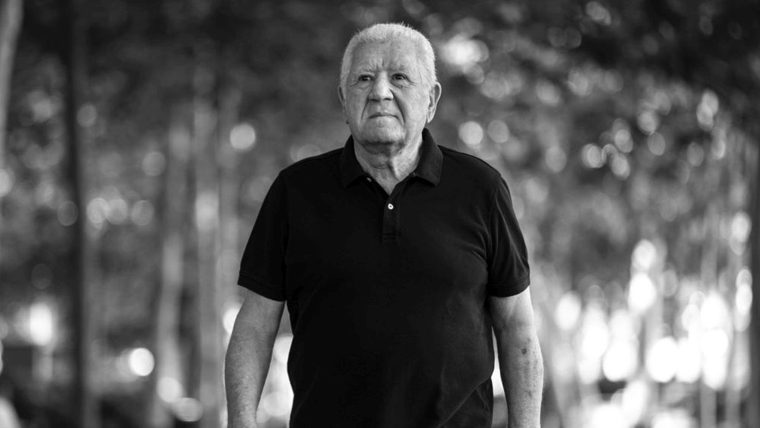
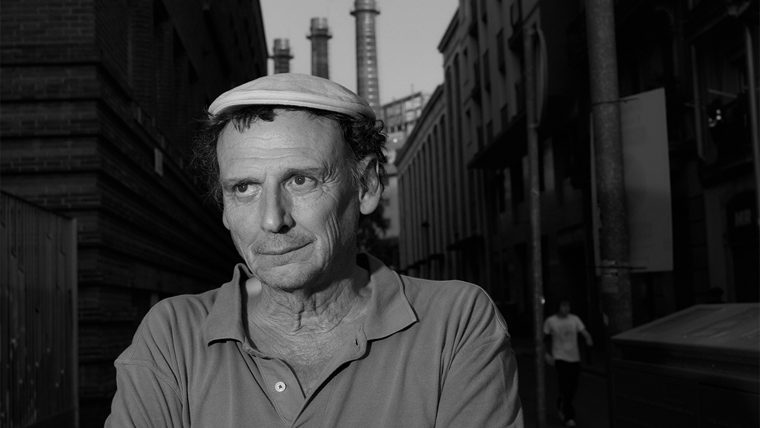
Issue no. 140 also includes an interview with Lluís Bassat, a pioneer in publicity and one of the key figures in the ceremonies of the Barcelona Olympic Games of 1992, looking back at his career and defending the importance of truth in communication. The film director José Luis Guerín reflects from El Raval on the passing of time, melancholy and the differences between fiction and the documentary. The magazine also regains Scottish writer Ali Smith’s visit to Barcelona as the opening speaker on reading for Sant Jordi 2026.
In the urban sphere, Sergio Porcel analyses the learning of the Neighbourhood Plan and the role of local policies before urban vulnerability, while Carlos Márquez Daniel looks at the new strategy for Ciutat Vella, which looks to extend the Rambla del Raval as far as the sea through Avinguda de les Drassanes.
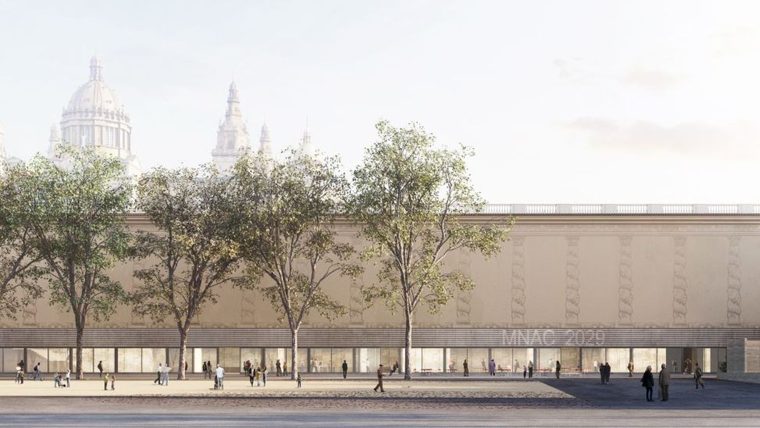
The magazine also opens up debate on the impact of social media and artificial intelligence in public conversation, and devotes space to Gaudí as a forerunner to sustainable architecture and the plans to enlarge the MNAC in the Palau Victòria Eugènia with a view to 2029. The issue is completed with the narrative “A memory in the mist. Barcelona, 1925”, by the writer Maria Carme Roca, and the usual recommendations of books and exhibitions.