

2025 Edition
RESIDENTS AT VIL·LA JOANA
ROUND 1. From April 15 to May 5
Maria Hoffmann-Dartevelle is a German novelist and translator. She specialised in Romance philology and studied at the universities of Heidelberg and Paris. She began her career as a literary translator at the end of the 1980s, translating from French and Spanish for various German and Swiss publishers. She has translated René Crevel, Raymond Queneau, Michel Quint, Daniel de Roulet, Virginie Grimaldi, César Aira, Manuel Vázquez Montalbán, Elizabeth Subercaseaux, Elena Poniatowska, Matilde Asensi and Francesc Miralles. She has taken part in translation workshops in Germany, Mexico, Switzerland and Spain, and has given public lectures in cities such as Heidelberg, Zurich and Basel. In addition to her work as a translator, Maria Hoffmann-Dartevelle has also published several works as an author. Her books include the children's thriller Abenteuer am See (Langenscheidt Verlag, Munich, 2011) and the novels Über den Ozean (Achter Verlag, Weinheim, 2022) and Herbst ohne Haus (Achter Verlag, Weinheim, 2024).
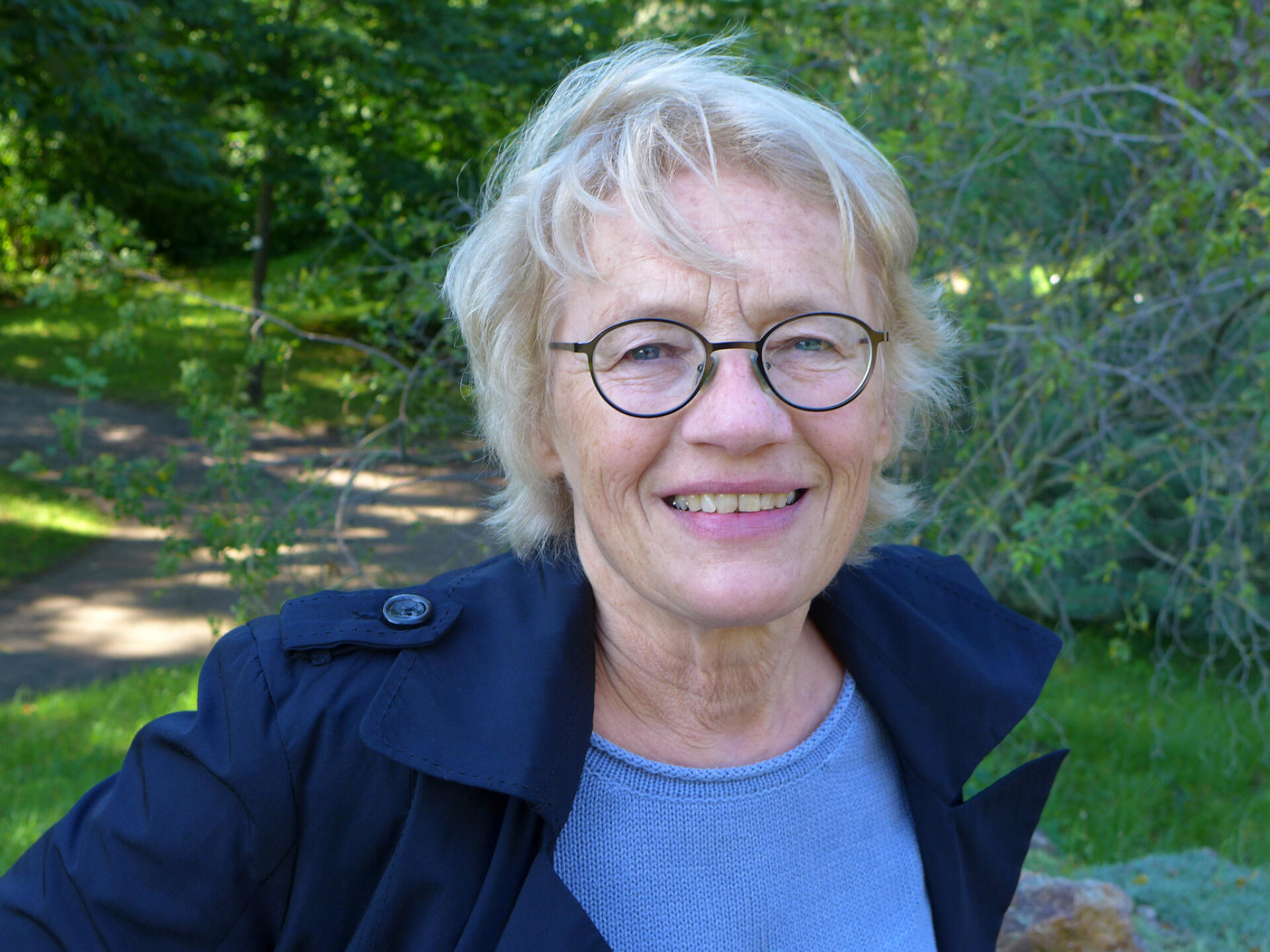
Proposed author of the exchange with Heidelberg City of Literature.
Fiona Williams is an English fiction writer. Her debut novel, The House of Broken Bricks, was the winner of the Bridport Prize 2021, in the Peggy Chapman-Andrews First Novel Award category, and was published by Faber in January 2024. She graduated in Biological Sciences from the University of Westminster and had a long career as a medical writer. Subsequently, she completed an MA in Creative Writing at Bath Spa University and is currently completing a PhD in Creative Writing at the University of Exeter. Born and raised in Southeast London, she now lives in Exeter with her husband and two children. Her writing focuses mainly on the relationships between identity, relevance, nature and landscape.

Proposed author of the exchange with Exeter City of Literature.
Sarah Jaffe is a North American writer and journalist, who lives between New Orleans and the road. She is the author of From the Ashes: Grief and Revolution in a World on Fire, Work Won't Love You Back: How Devotion to Our Jobs Keeps Us Exploited, Exhausted, and Alone and Necessary Trouble: Americans in Revolt. The book Work Won't Love You Back has been translated into seven languages, including Catalan and Spanish. Her journalism deals with the politics of power, from the workplace to the streets, and her writings have been published in The Nation, The Washington Post, The Guardian, The New Republic, The New York Review of Books and many other media. She is a columnist for The Progressive and a regular contributor to In These Times. She also co-conducts Heart Reacts, with Craig Gent, a podcast of advice on the collapse of late capitalism.

ROUND 2. From May 6 to May 26
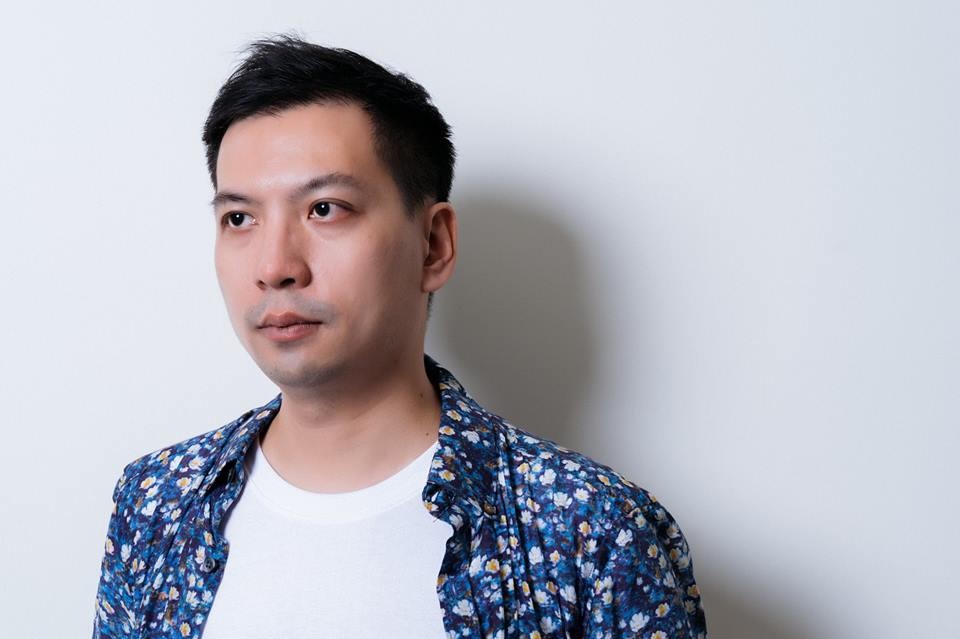
Enkaryon Ang is a renowned poet, interdisciplinary artist and independent researcher from Taiwan. He is known for his poetry collections, such as Rorschach Inkblot (2009), Hedgehog (2014) and A Galaxy of Howness (2019), and his work has appeared in leading anthologies such as Post-80 Poets of Hong Kong, Macau, and Taiwan and Evidences of Living: Modern Poetry Reader. Beyond poetry, his contributions to art criticism have earned him recognition from the International Association of Art Critics (AICA) in 2018. His artistic practice has been enriched by residencies at Can Serrat, Grey Projects, Cove Park and Prague UNESCO City of Literature, establishing him as a vital figure in contemporary art and literature.
Sigurbjörg Þrastardóttir (Iceland, 1973) is the author of ten collections of poetry, short stories, plays and prose. Her poetry cycle Blysfarir (Torch Marches) was nominated for the Nordic Council Literature Prize in 2009 and was awarded the Fjöruverðlaunin Prize for Women's Literature in Iceland. Her second novel, Stekk (Jump), is set in Barcelona, and her selection of forty European poets in Krossljóð (CrossPoems) includes four Catalan poems. Her most recent books are the short stories of Mæður geimfara (Mothers of Astronauts) and the new collection of poems Flaumgosar (Movement of Flows), which deals with Iceland's sudden transition from rurality to modernity. Sigurbjörg lives in Reykjavík, where she writes columns for the media on language and everyday life.

Author proposed by Reykjavík City of Literature in the programme ‘Circular Residency’ of the UNESCO.
Ilaria Shevchenko is a Ukrainian literary translator, specialising in works by Spanish, Latin American, British and North American authors. A graduate of the Taras Shevchenko National University of Kyiv, she has worked with several Ukrainian translation agencies and has worked as an editor, journalist and copywriter. Since 2017 she has been working exclusively on literary translation, in cooperation with the main Ukrainian publishers. Her translated work includes 24 books, among which stand out: La fiesta del Chivo by Mario Vargas Llosa (nomination for the national prize for the best translation in 2025), La bibliotecaria de Auschwitz by Antonio Iturbe (honorary diploma awarded by the committee of the Sholem Aleijem Prize in 2024), Berta Isla by Javier Marías, Las luces de septiembre by Carlos Ruiz Zafón, La cara norte del corazón by Dolores Redondo or Falcó, Eva and Sabotaje by Arturo Pérez-Reverte. She currently lives in Poland and is a member of the Association of Polish Literary Translators.
ROUND 3. From May 27 to June 16
Anna Lekas Miller is a North American writer and journalist. Her writing explores the complex intersection between global politics and love and celebration. She began her career as a journalist in the Middle East, covering the Israeli occupation of Palestine and the consequences of the Syrian civil war, before focusing on the rise of the far-right and its impact on migrant communities. Her first book, Love Across Borders, is a collection of true love stories marked by war and immigration, and won the Arab-American Book Prize 2024. She is currently working on her first novel, which she has developed in the first edition of the George R.R. Martin Fellowship at Northwestern University in 2024.

Dovilė Kuzminskaitė is a Lithuanian translator and poet. She studied Lithuanian Philology and Spanish Language and obtained her PhD in Latin American literature. Since 2014 she has been working as a researcher and associate professor at Vilnius University. In addition, she collaborates with the Lithuanian National Radio preparing interviews with Lithuanian and foreign writers and writing monthly book reviews. She has published two collections of poetry and several translations from Spanish and Catalan into Lithuanian, in collaboration with Carmina Daban Sunyer.

Jon Benito was born in 1981 in the Azken Portu (The Last Port) neighbourhood, in Zarautz, Gipuzkoa. He is the author of four books: Aingurak erreketan (2001), Orbel zaku bat (2007), Bulkada (2010), and Lagun minak (2022). With the latter, he received the Critics’ Prize for the best narrative work written in Basque and was a finalist for the Euskadi Prize. He has collaborated in various Euskal Herria media, always linked to literature, both Basque and international. He has also written songs for several Basque singers.

Writer presented by the Etxepare Institute (Basque Country).
ROUND 4. From June 17 to July 7
Tamara Silva Bernaschina is a Uruguayan author. Her debut, Desastres naturales (Estuario Editora, 2023), was awarded two Bartolomé Hidalgo Prizes in 2023: the Narrative Prize and the Revelation Prize. The following year, this same collection of short stories won the National Literature Prize in the category of Opera Prima, Narrative. Her novel Temporada de ballenas (Estuario Editora, 2024) received an honourable mention in the Juan Carlos Onetti literary competition. She lives in Montevideo.
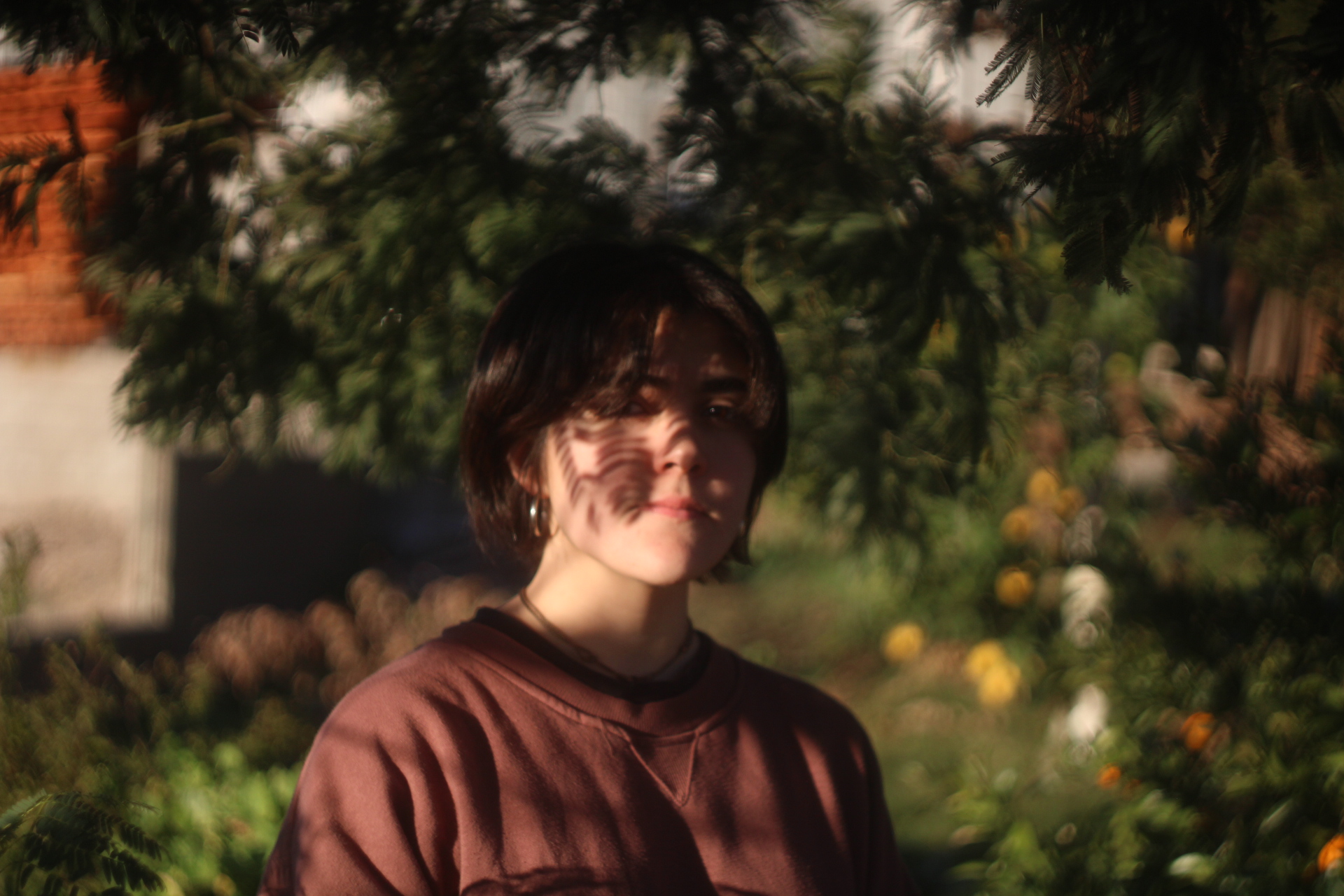
María Ovelar is a Spanish writer, journalist, translator and performance artist. She teaches creative writing at the Fuentetaja School and has published the poetry books Las oceánicas (Valparaíso Ediciones, 2021) and Diccionario de términos eufemísticos (Valparaíso Ediciones, 2022), as well as stories in various anthologies and magazines. After thirteen years at El País, she continues to collaborate with this and other media. With a Master’s in Journalism from UAM/El País and a degree in Translation and Interpreting, she has organized literary retreats and events, and has moderated open mic sessions. She has also worked as a literature teacher in India and has participated in several artistic residencies. In 2025 she published her first novel, Suya era la noche, with the publishing house Consonni.
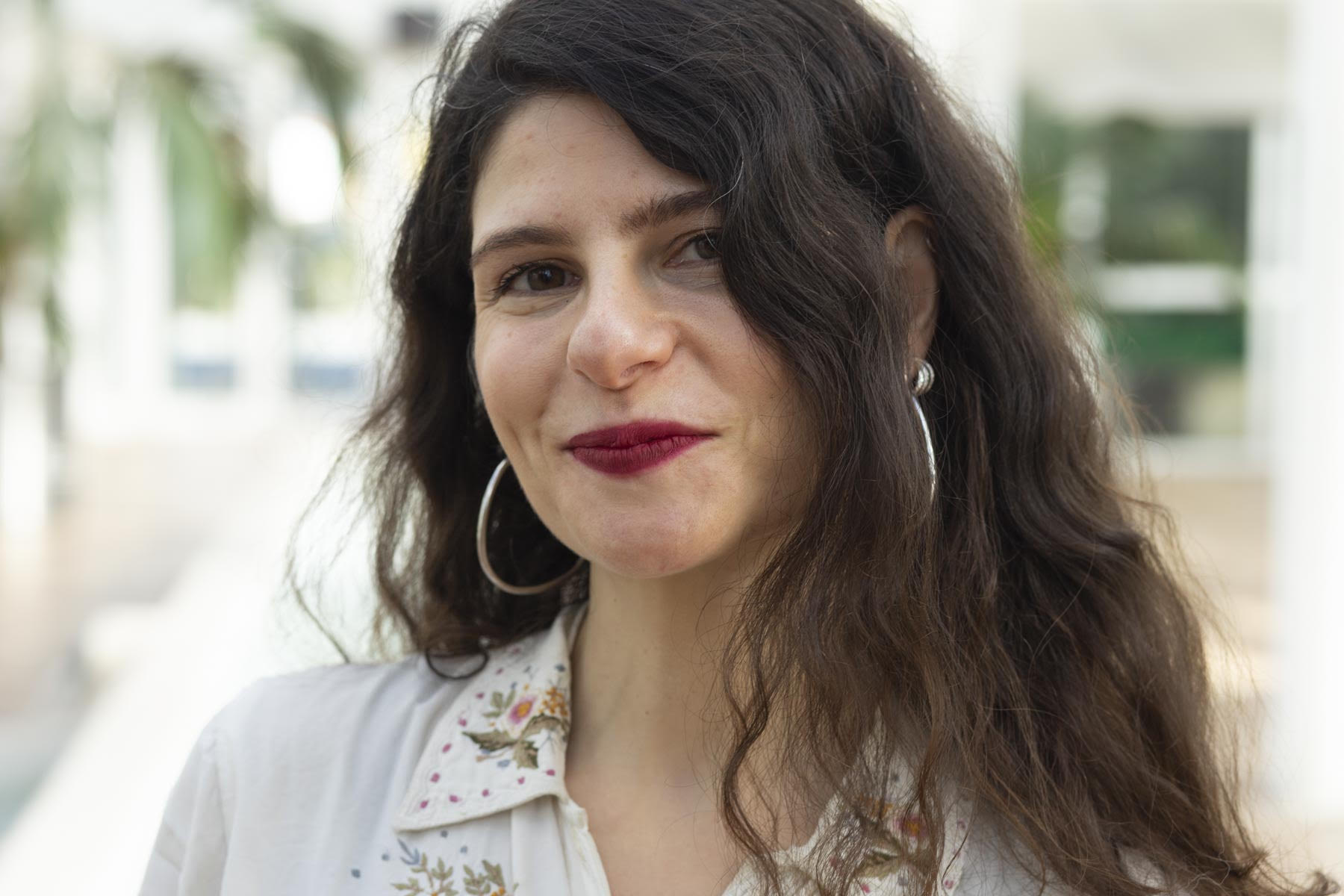
Juana Adcock is a Mexican poet, translator and editor. She is the author of Manca (Tierra Adentro), Vestigial (Stewed Rhubarb), I Sugar the Bones (Out-Spoken Press) and Split (Blue Diode, Palindroma), which was awarded the UK Poetry Book Society Choice. Her translation into English of Hubert Matiúwàa's Soñaron los perros / The Dogs Dreamt won the PEN Translates Award, and she has also translated into English authors such as Laura Wittner, Gabriela Wiener, Giuseppe Caputo, Lola Ancira and Diego Enrique Osorno. Together with Jèssica Pujol Durán, she is co-editor of the Latin American poetry anthology Temporary Archives: Poetry by Women of Latin America (Arc Publications) and has participated in numerous literary festivals in Europe, Asia and Latin America.
ROUND 5. From July 8 to July 28
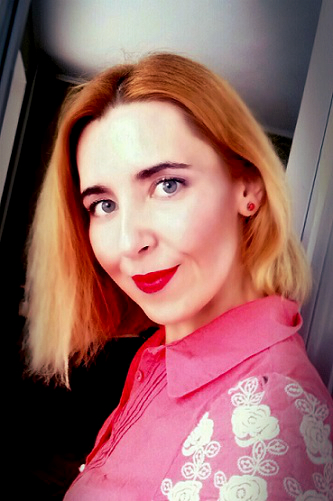
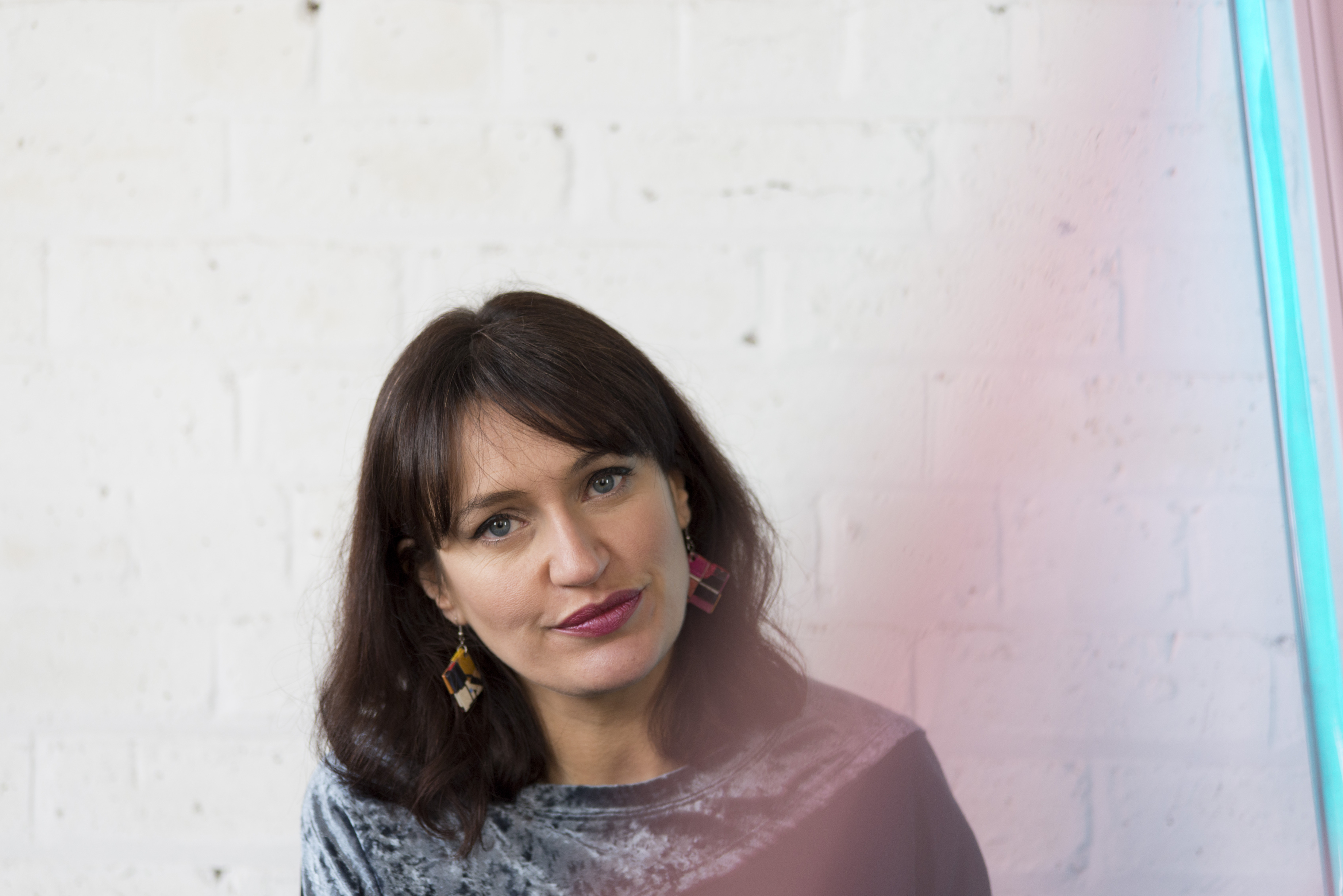
Olga Bubich is a Belarusian writer, journalist, photographer, lecturer, and art critic. In 2021, Olga Bubich published her second photobook, The Art of (not) Forgetting, and began to focus particularly on themes such as memory, the censorship of memory, cultural amnesia, post-memory, and memorialisation. Within this framework, she created a series of short classes with practical exercises on these topics, which she has delivered online to more than 30 artists and photographers, both in Belarus and in exile. From 2021 to 2023, she co-curated four exhibitions in Berlin, Tbilisi, and Batumi, showcasing artists who critically interrogate traditional conceptions of both collective and individual memory, and who address themes related to resistance against propaganda. She has received several awards for her work, including Publication of the Year (Month of Photography in Minsk, 2017), Kultura Vazhyz (Culture Matters, 2016), On the Way to the Contemporary Museum (2015), and an award for her review of the photobook Lucas by Erik Stepanjan (St Petersburg, 2014).

Mehdi Mousavi is an Iranian poet, editor, cultural activist and pharmacist. He is regarded as a key figure in the Iranian literary movement known as “Postmodern Ghazal”, considered the most radical poetic trend in contemporary Iran. He has published fourteen poetry collections, two novels and a theoretical book on literature. Through his work as a literature lecturer in universities and schools, as well as in clandestine literary gatherings and writing workshops, he has inspired and mentored many young artists. Mousavi is a prolific author whose work spans poetry, fiction and literary criticism. Although many of his poems — such as the collections Suddenly and Beeping for the Sheep — have been banned, he has managed to circulate them widely online. His published essays include On the Genealogy of the Postmodern Ghazal, An Essay on Nowadays Ghazal, and The Key Characteristics of the Postmodern Ghazal. His most recent book, One Thousand and Some Nights (2021), takes the form of a frame tale and serves as a parody of the famous Eastern story One Thousand and One Nights.

Javier Benítez Láinez (Estepona, 1969) is a poet, editor, and lecturer. He founded the magazine Letra Clara and the Cultural Association Diente de Oro, dedicated to preserving and promoting the poetic legacy of Javier Egea and contemporary critical poetry. He is also the editor of the digital magazine Olvidos de Granada. Author of several poetry collections, he is currently working on a ten-volume narrative saga than blends narrative, social criticism, and generational memory.
ROUND 6. From July 29 to August 25
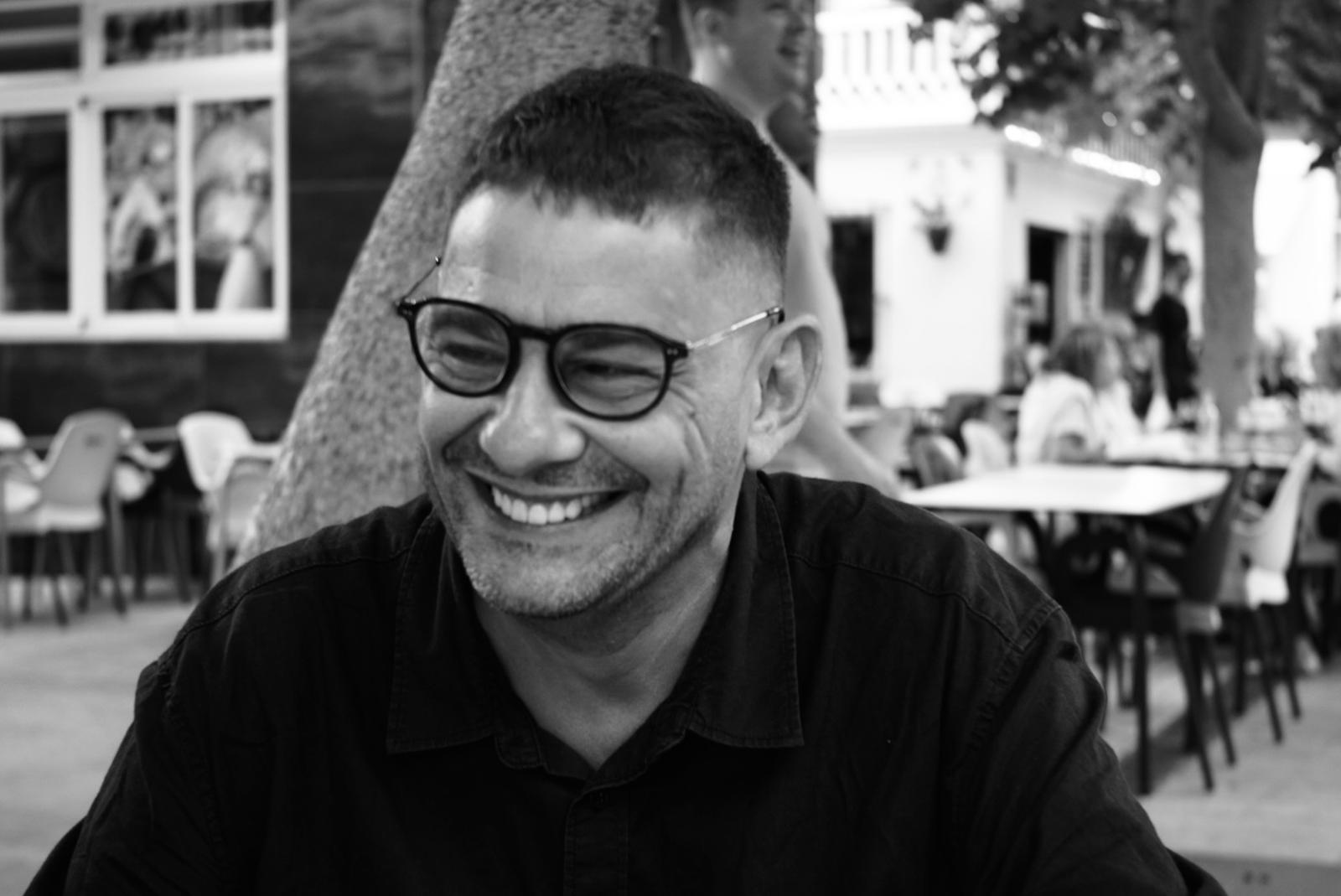
Clyde Moneyhun is a North American translator. A descendant of Menorcan immigrants to Florida (USA), he studied comparative literature at Columbia University and rhetoric at the University of Arizona. He translates Catalan-language literature, mainly contemporary poetry, but also the work of Ramon Llull, Jacint Verdaguer, Joan Salvat-Papasseit, Rosa Leveroni and Clementina Arderiu. He has published translations of poetry collections by Ponç Pons, Dolors Miquel, Anna Dodas and Maria-Mercè Marçal. He is currently working on the translation of Vermell de Rússia, by Miriam Cano. He teaches memoir writing, travel writing and literary translation at Boise State University (Idaho, USA), and spends half the year in Boise and the other half in Menorca.
Eirini Dermitzaki is a Greek writer and playwright. She was born in Crete and studied acting in Greece and cinema in London before completing her postgraduate studies in Creative Writing at the University of Teesside, UK. She has written numerous plays performed on stages in England and Greece. She has published several books - three novels, two children's books and a play - and has received numerous awards for her plays and short stories. Since 2017, she has been teaching theatre and creative writing to adults, adolescents and various community groups in Greece and the United Kingdom, collaborating with prestigious institutions. In 2023, she worked with the National Theatre of Greece on its youth dramaturgy program, where she presented her play Camp (2024). In 2024, she held a writer residency in Skopje through the Goethe-Institut. She currently teaches dramaturgy at the National Theatre of Greece.

Tiziana Camerani is an Italian translator. She has been a freelance translator since 1999, from Catalan, French and English into Italian in the publishing sector, and in the fields of culture and art (www.parole-parole.it). In recent years, she has focused on introducing contemporary Catalan authors to the Italian landscape, including emerging female voices such as Gemma Ruiz Palà and Núria Bendicho Giró. Since 2009, when Catalonia took part in the Venice Biennale for the first time, she has been the main translator into Italian for the Institut Ramon Llull (IRL) of all the contents of ‘Catalonia in Venice’, which the IRL produces and organises. Since 2011 she has been the official translator and proofreader for the Louvre Museum into Italian. Apart from translation, she has a great passion for lyrical music -she sings- and for the city of Venice, where she practices "voga veneta", a type of rowing done standing, like gondoliers do.

ROUND 7. From September 9 to September 29
Satu Ekman is a Finnish translator. She graduated with a Pre-PhD in Spanish Philology from the University of Helsinki. From 1995 to 2011, she taught translation from Spanish into Finnish at the Department of Ibero-Romance Languages of the University of Helsinki. Since 1992, she has worked as a literary translator from Spanish and Portuguese into Finnish, and since 2016, also from Catalan into Finnish. In total, she has translated more than fifty works. In 2022 she received the Cross of the Order of Isabel the Catholic, awarded by King Felipe VI of Spain, for her contribution to the knowledge of Hispanic literature in Finland.

Alexandra K* is a Greek author, playwright and screenwriter. She has been a writer-in-residence at the International Writing Program at the University of Iowa and has received several commissions from the National Theatre of Greece, the Greek National Opera, the Athens-Epidaure Festival and the Greek National Radio and Television, as well as from various private cultural institutions. She is a regular contributor to Vogue Greece and teaches drama workshops at the University of Western Macedonia. Her stories and plays have been included in anthologies and literary magazines in the United States, Spain, Italy and France. Her next play, Philoxeníā, will premiere at the National Theatre of Greece in February 2025. Her publications include Virgin Mary Smoking in the Bathroom (short stories), How Sea Urchins Kiss (novel), Lalaland (novel) and the plays Milk, blood and Revolutionary ways to clean your swimming pool, of which there was a dramatic reading at Sala Beckett.

Lucie Rico was born in 1988 in Perpignan. She divides her time between Aubervilliers (where she writes screenplays), Perpignan (where she writes books), and Clermont-Ferrand (where she teaches creative writing). Le chant du poulet sous vide, her first novel, was awarded the Ecology Novel Prize and the Cheval Blanc Award 2021. GPS is her second novel, which received a Special Mention from the Wepler Prize in 2022. The work has been published in Catalan by ADN Novelas and presented at the BCNegra and València Negra festivals.

ROUND 8. From September 30 to October 20
Neluka Silva is a writer from Sri Lanka, senior lecturer in English Literature at the University of Colombo, and visiting professor at universities in the UK, Germany, Belgium, Denmark and Spain. Her first novel, The Iron Fence (2011), is set in the Marxist insurrection that took place in Sri Lanka between 1987 and 1990, during which many university students involved in the movement were assassinated or disappeared at the hands of the State. This work was a finalist for the Commonwealth First Novel Award in 2011 and the Dublin IMPAC Award in 2012. She has published three collections of short stories. After the 2004 tsunami, she co-edited with Simon Harris The Rolled Back Beach: Stories from the Tsunami (2008). In 2009 she published Our Neighbours and Other Stories, with a story that received an honourable mention in the 2008 Commonwealth Short Story Competition. The short story The Monkey Man was included in MilkRice: Stories for Children (2008), a book that was used as school reading in various schools in Colombo. Inspired by theatre and creative writing workshops for children, she published My Elephant Secret and Other Stories (2019), a collection of stories for boys and girls. She has also written three children's books on environmental conservation in Sri Lanka: Moona Finds Friends (2023), Oshana and the Sili Sili Bag (2023), and Trapped in a Smoky Sky (2024). A fourth book, Leyla, the Brave Cub (2024), was commissioned by the Asia Foundation as part of the global Let’s Read program, aiming to introduce children to leopard conservation.
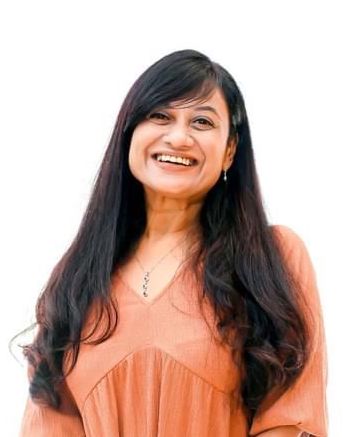
Julia Coria (Adrogué, 1976) is an Argentine writer, author of the novels Familia serán ustedes, La horda primitiva, and Todo nos sale bien; the short story collections La paradoja del panda and Permiso para quererte; the essay on writing from personal experience El ombligo del mundo; as well as numerous stories published in anthologies. She leads narrative workshops and book clubs. She holds a degree in Sociology and is a Specialist and Master in Education. Her doctoral research focused on how recent Argentine history is taught in schools. She has worked as a researcher within various universities, government institutions, and international organizations. She was also a professor in the Sociology program at the Faculty of Social Sciences, University of Buenos Aires.

Przemek Zybowski, born in 1976 in Łódź, lives as a psychiatrist and writer in Berlin and Zurich. He studied medicine in Heidelberg, earned his doctorate at the Charité in Berlin in 2004, and pursued research and study stays at the University of Pennsylvania, Harvard University, and in South Africa. Alongside his psychiatric practice, he has been developing literary and theatrical works since 2007. His recent publications include the novel Das Pinke Hochzeitsbuch (Luchterhand Verlag / Penguin Random House, 2022) and the poetry collection Vom Eischlupf (Reinecke & Voss, 2015), recommended by the German Academy for Language and Literature. His plays have been staged at venues such as Schauspielhaus Hamburg, Deutsches Theater Berlin, and Ballhaus Ost, most recently Zum Ewigen Frieden! (2023, supported by the Capital Cultural Fund Berlin). He is currently collaborating with filmmaker Joanna Ratajczak on a film adaptation of Das Pinke Hochzeitsbuch, and with documentary filmmaker Marcel Mettelsiefen on projects in the West Bank. For his literary work he received the Austrian Literature Prize Floriana in 2012.

