A conversation about the present and future of the tourism model
On 14 November, Ca l’Alier hosted “Towards regenerative tourism: rethinking the present, building the future”, an event for conversation, learning and co-creation with the sector, communities and public institutions.
The event was organised by Aethnic, an organisation that promotes Responsible and Sustainable Tourism, with the goal of discussing the current tourism model and paving the way towards new ways of interacting with local communities.
The conference explored the limits of the current tourism model and the emerging paths towards a regenerative model that can create environmental, social and community vitality. The event was supported by Barcelona City Council and Barcelona Activa, funded by the tourist tax.
Charles van der Kerkhof (Fjällgås Agency) gave the opening talk, “Regeneration as a living and constantly evolving process”, focussing on human and planetary health and the need to protect nature and the ecosystem.
After the talk, two round tables highlighted institutional, community-based and academic perspectives and transformative practical experiences.
The first round table, “Tourism under pressure: challenges and tensions of the current model” demonstrated that the current “status quo” cannot be maintained and that we need to open up spaces of shared governance to address environmental, social and human limits. José Antonio Donaire, Commissioner for Sustainable Tourism at Barcelona City Council, participated in this round table, highlighting that tourism creates economic opportunities but also job inequalities, the exodus of residents and tensions between preserving residents’ quality of life and identity and the trivialisation of spaces across the city.
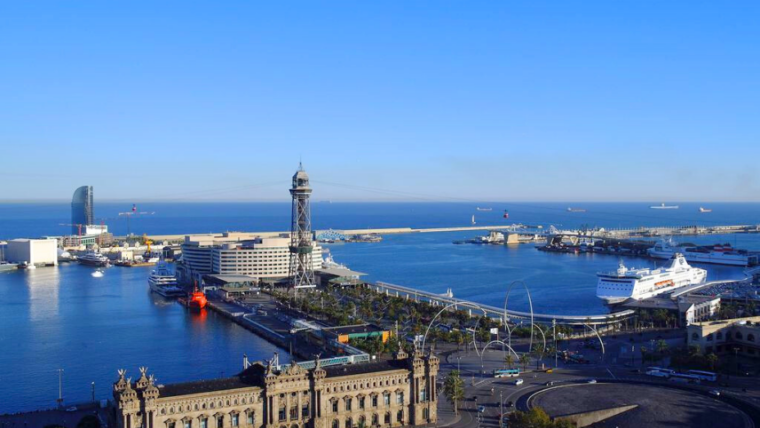
Donaire also explained some of Barcelona’s actions and measures to manage tourist activity and limit its growth. Examples include reducing cruise terminals in the Port of Barcelona from 7 to 5; managing tourist coach access to the city through the introduction of the Zona Bus 4.0 project, which will require coach drivers to obtain a daily permit; terminating licenses for more than 10,000 holiday lets; and the High-Traffic Areas project to reduce overcrowding at tourist attractions and promote the revival of local neighbourhood life.
The second round table, “From limits to opportunity: towards a regenerative model”, looked at the concept of regenerative tourism from four complementary perspectives: community governance, European projects, transformative local experiences and proposals for change based on personal coherence.
The main conclusion of the event was that a regenerative transition is not possible without environmental, social and political limits. In this sense, regeneration must be a social and community practice that is built on gradual, contextualised and dialogue-based processes. Finally, the shared experiences show that it is possible to transform projects, organisations and communities through a values-based approach and distributed governance.