
Facilities
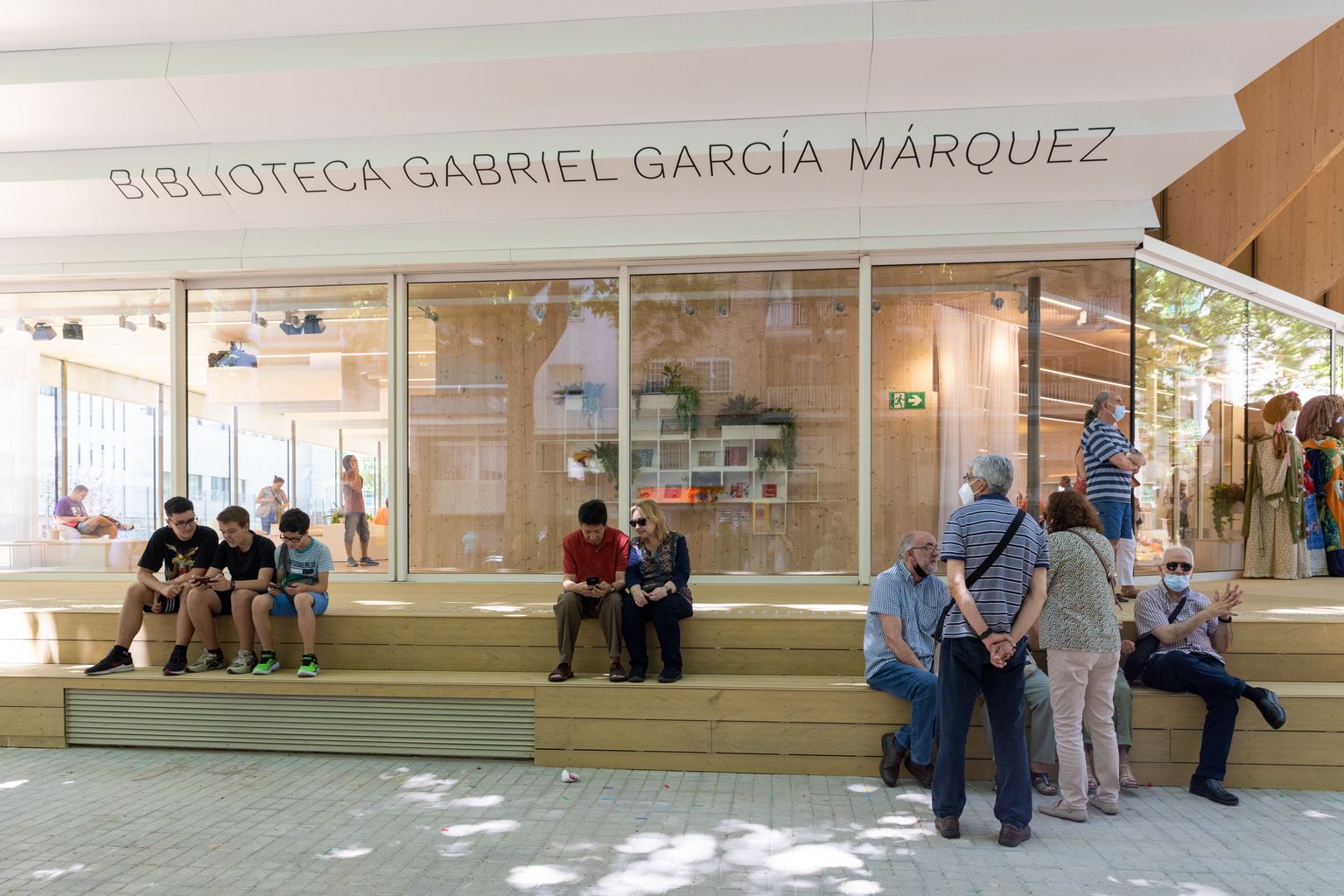
Municipal facilities are key spaces for guaranteeing rights, accessing public services and fostering social cohesion in neighbourhoods.
As the gateway to City Council, they have to address the needs of a diverse citizenry, bearing in mind how gender and other factors of inequality (age, origin, social class or disability) condition the use of and access to these spaces.
Incorporating the gender perspective into the design and management of facilities entails recognising the needs of everyday life and ensuring that they are safe, accessible, meaningful places for everyone.
Barcelona works to ensure that its cultural, sports, community and service facilities fit the timetables and needs of carers, foster the participation of women and under-represented groups and promote more egalitarian relationships. Making this possible entails rethinking uses, enhancing accessibility, diversifying activities and guaranteeing inclusive management that ensures the right to the city through equality.
How the gender perspective can be taken into account in facilities
-
Incorporating the gender perspective into the design and management of the facilities with the assistance of the guide on the topic, which emphasises social procurement with a gender perspective.
-
Analysing the current degree to which gender is currently incorporated into the facilities. This analysis is constantly being expanded and now includes police stations, fire stations and public car parks.
-
Designing and implementing a framework protocol to guarantee facilities free of gender violence.
Further information
- ‘The Incorporation of a Gender Perspective in the Design, Implementation and Management of Facilities in Barcelona’ analysis
- Guide to implementing the gender perspective in the design and management of municipal facilities
- Technical instructions for applying gender criteria in contracts for the design and management of city-owned facilities [2023]