The technological revolution must be accompanied by a revolution in the organization of time that guarantees the Right to Time
TUW 2025 has successfully concluded its eleventh edition, reaffirming that time policies are a key tool for ensuring well-being and equality in the digital era.
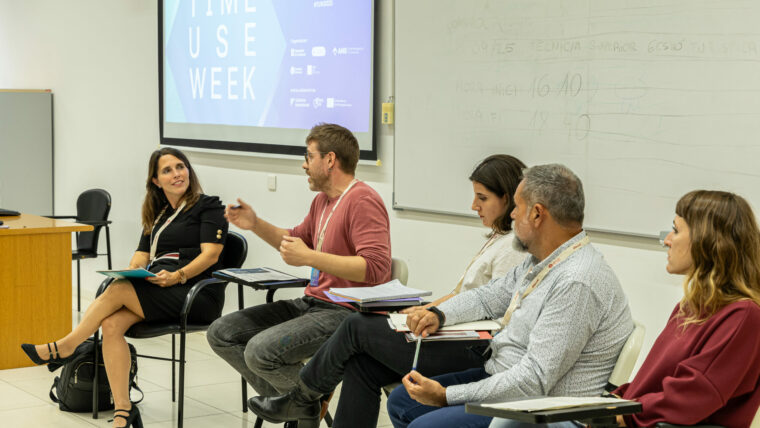
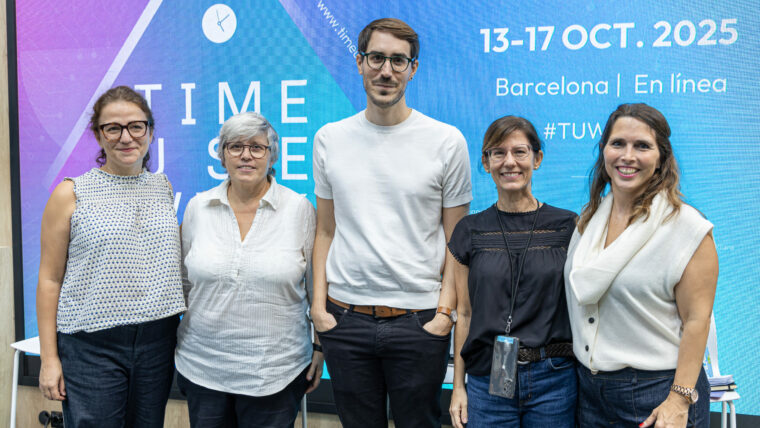
» Time Use Week 2025, held on October 13, 14, and 15 in Barcelona under the slogan “The Right to Time in the Era of Artificial Intelligence”, successfully closed its eleventh edition, reaffirming time policies as a key tool to guarantee well-being and equality in the digital age.
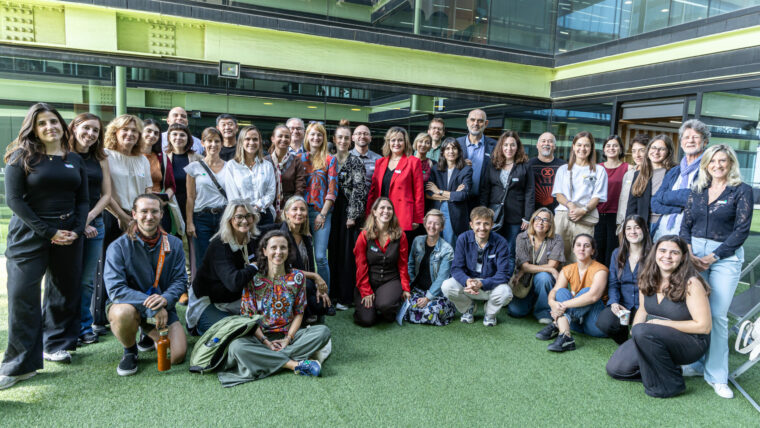
» Nearly 2,500 people from 150 municipalities around the world participated in the central events and decentralised activities throughout Catalonia..
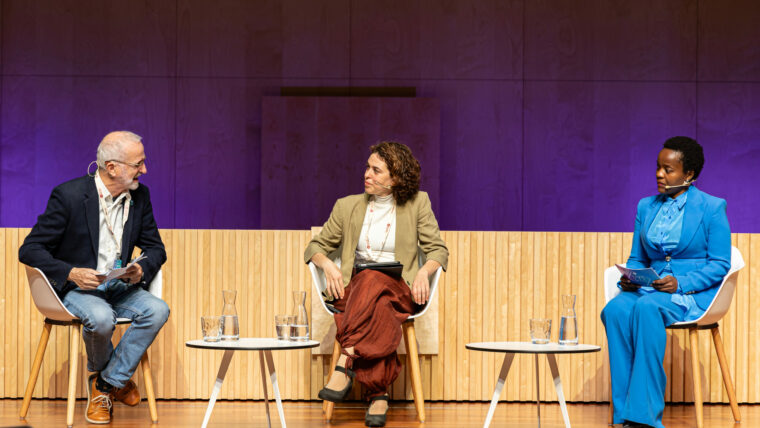
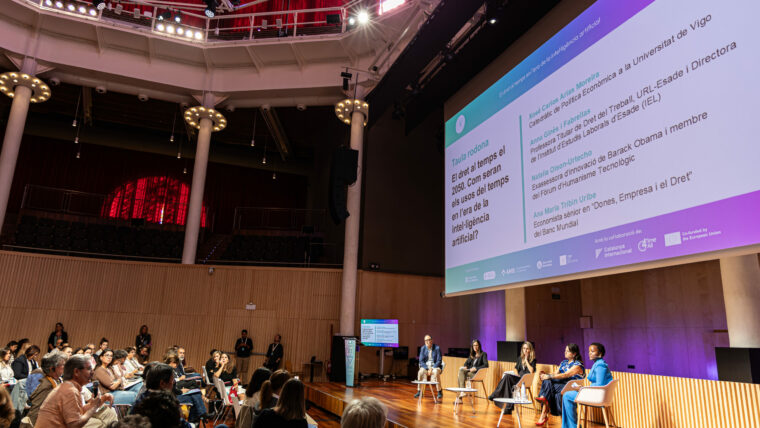
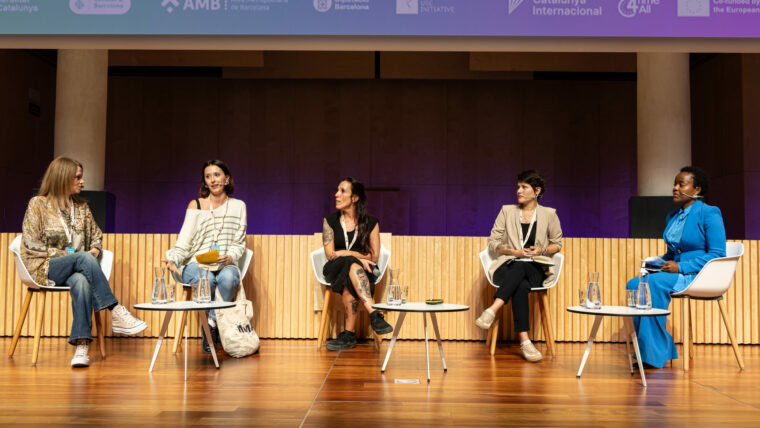
» More than 30 international experts discussed how to rethink and regulate the use of technology to foster a time organization that promotes greater social welfare, preventing it from contributing to accentuating time poverty.
Time and technology: a global debate
The eleventh edition of Time Use Week (TUW2025) concluded with a clear message: the technological revolution must be accompanied by a revolution in the organization of time. This year’s edition highlighted the need to ensure that technological advances generate more time for a better life, not more haste or inequalities.
For three days, speakers and participants reflected on the impacts of AI on the use of time in areas such as work, care, health or democracy. They agreed on an essential point: technology can free up time, but only if it is applied with social and ethical criteria.
The 10 key messages from TUW2025
- Reducing time discomfort and time poverty should be a priority in the age of artificial intelligence, but it is not yet. In Barcelona, 80% of the population suffers from time sickness, and time poverty affects 32% of women and 25% of men.
- AI must not only seek efficiency, but must also integrate quality into results, well-being and an equitable use of time. Despite technological advances, time poverty has not been reduced, which highlights the need to include the temporal dimension in digital tools.
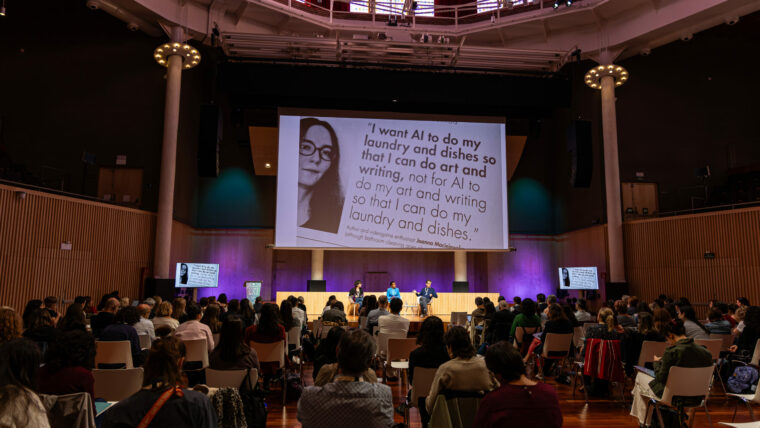
- AI should perform functions that people don’t want to spend time on, such as repetitive tasks, to free up time for creative and personal activities. Currently, more than 70% of queries made to the AI tool “CHAT GPT” are related to domestic, educational or personal organization uses.
- AI does not exponentially increase business productivity. It works well with simple tasks, such as systematizing data, but in complex tasks a lot of time is often wasted in reviewing errors or bringing the human touch to the generated results.
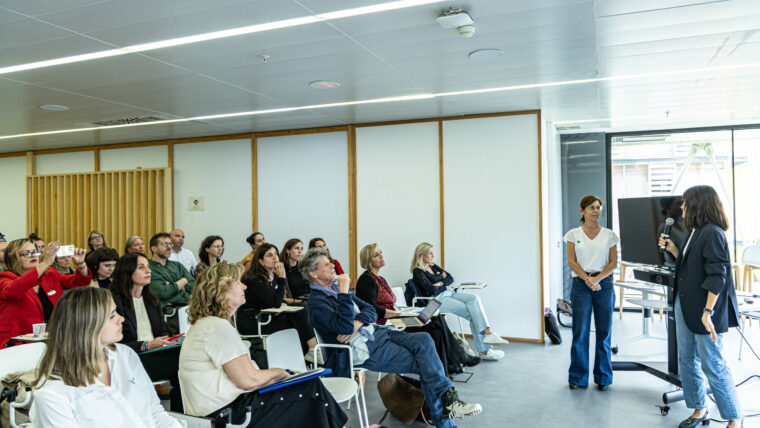
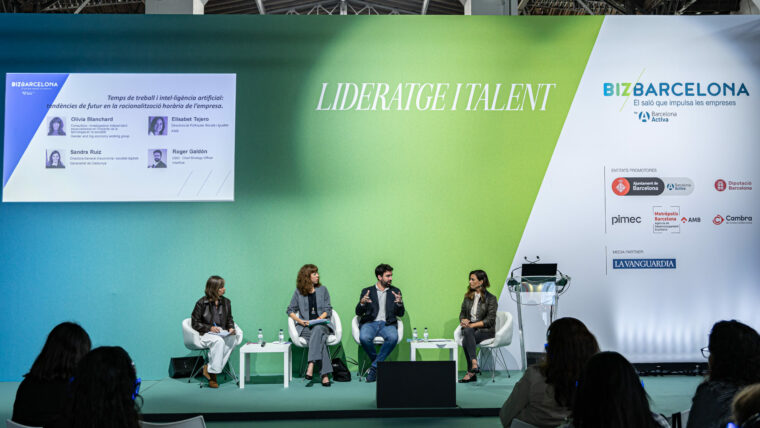
- In the digital age, regulation and collective bargaining are essential to properly organize working time. During the institutional inauguration, Raquel Gil Eiroá, Deputy Mayor of the City Council, stressed that technologies, especially AI, will play a key role in the management of professional time and that, therefore, it is necessary to promote public policies that favour digital democratisation and people’s well-being.In this sense, in the workshop organized by the Barcelona City Council within the framework of the TUW events at the BIZ Barcelona Fair “Reducing the workday without losing performance: how to do it in your SME”, the Surt Foundation and the company El Risell, members of the NUST Network, presented positive experiences in the implementation of workdays. Laura Camprubí, representative of the consultancy El Risell, highlighted the fact that the reduction in working hours has improved internal organisation and has fostered solidarity among teams.
- The digital acceleration with which we live is challenging the times and rhythms of democratic processes. Deliberation and consensus are yielding their role under pressure from technological and economic acceleration.
- Time policies truly work and improve life. Users of services framed in municipal time policies, such as the “Concilia” program, shared their testimony about how a babysitting service, which facilitates conciliation and offers a space of respite to families who do not have a support network, has improved their lives.In the words of Rosana Real, a user of this service, “At a professional level, this service has given me life, because I have really been able to reconcile, I go to work calm and concentrated and I return on time. For me it has been a huge relief and I thank you enormously”.
- It is necessary to praise slowness and curb the accelerated pace of our times, applying a “digital diet” that helps to slow down this dizzying pace that wears down society.
- Sant Boi de Llobregat has been chosen as World Capital of Time Policies 2026. At the General Assembly of the Local and Regional Time Network, held on October 14 within the framework of Time Use Week, the municipality was recognized for its long history in time policies.
- Time policies are a key tool to guarantee well-being and equality in the digital era. More than 80 people took part in the session, in which the leading Catalan administrations in time policies – including Barcelona City Council, represented by Blai Martí, a technician from the Directorate of Feminism and LGBTI Services – explained the resources they offer to Catalan municipalities and research teams to promote time policies.
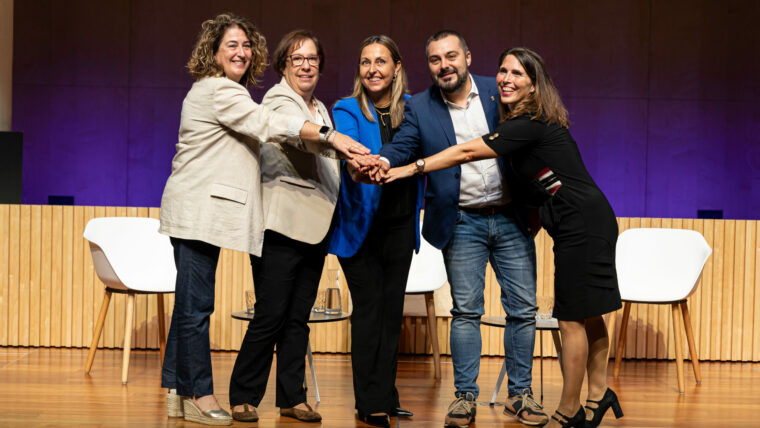
As a result of the debates of Time Use Week 2025, all the organizations present committed to working so that the right to time reaches everyone in the era of artificial intelligence