Logo of Barcelona City Council

Select language

  • Català
  • Castellano
  • English

Other Barcelona City Council websites

The City Council
Contact
Procedures
Work at the City Council
News
Agenda
Map
Getting there
Skip to main content

Espais Verds

Home
Menu navigation instructions

Instructions for screen readers and keyboard users

This menu requires arrow keys to be able to use it. The menu has up to three levels:

  • First level: main menu options
  • Second level: sub-options for elements from the first level
  • Third level: sub-options for elements from the second level

Browsing instructions:

  • Browse using the horizontal arrow keys on the first level of the menu.
  • Display and browse on the second level using the vertical arrow keys.
  • Use the Escape key to get back to the first level.
  • Use the right arrow key to display the third level.
  • Browse the third level by using the vertical arrow keys.
  • Use the Escape key to get back to the second level.
  • Alternatively, use the Enter key to display any level.
  • The Institute
    The Institute
    • Municipal Institute of Parks and Gardens
      • Municipal Institute of Parks and Gardens
      • Municipal Institute of Parks and Gardens
      • Institutional information
      • Reporting channel
      • Work at the parks
      • Strategic plans
  • Parks and gardens
    Parks and gardens
    • The parks and gardens of Barcelona
      • The parks and gardens of Barcelona
      • The parks and gardens of Barcelona
      • Rules on the use of green spaces
      • Plant palette
      • Routes and tours
    • Services
      • Services
      • Services
      • Children’s play areas
      • Recreation areas for dogs
      • Other services
    • Flora and fauna
      • Flora and fauna
      • Flora and fauna
      • Biodiversity Atlas
      • Trees of local interest
      • Conservation of flora and fauna
      • Conservation of protected wildlife
      • Invasive and problematic species
    • Other green spaces
  • Participate
    Participate
    • Introduction
    • Get Green
      • Get Green
      • Get Green
      • Municipal Allotment Network
      • Cession of municipal spaces
      • Look after your tree pit
      • Co-management of public spaces
      • Urban Agriculture Observatory
    • El Laberint Training Centre
    • Greenery at home, too
    • Annual activities
      • Annual activities
      • Annual activities
      • International Roses Competition 2025
      • International New Rose Competition
      • Spring festival
      • Barcelona Espigola
    • School activities
  • Management and maintenance
    Management and maintenance
    • Management of green spaces
      • Management of green spaces
      • Management of green spaces
      • Types of vegetation
      • Ecological management and naturalisation
      • Tree management
      • How does climate change affect us?
      • Renaturalisation
    • Management of pests and diseases
      • Management of pests and diseases
      • Management of pests and diseases
      • Integrated management of pests and diseases
      • Phytosanitary treatments
  • News
Menu navigation instructions

Instructions for keyboard users

This menu requires arrow keys to be able to use it. The menu has up to three levels:

  • First level: main menu options
  • Second level: sub-options for elements from the first level
  • Third level: sub-options for elements from the second level

Browsing instructions:

  • Browse using the vertical arrow keys on the first level of the menu.
  • Use the right arrow key to display the second level.
  • Browse on the second level using the vertical arrow keys.
  • Use the Escape key to get back to the first level.
  • Use the right arrow key to display the third level.
  • Browse the third level by using the vertical arrow keys.
  • Use the Escape key to get back to the second level.
  • Alternatively, use the Enter key to display any level.
  • The Institute
    The Institute
    • Municipal Institute of Parks and Gardens
      • Municipal Institute of Parks and Gardens
      • Municipal Institute of Parks and Gardens
      • Institutional information
      • Reporting channel
      • Work at the parks
      • Strategic plans
  • Parks and gardens
    Parks and gardens
    • The parks and gardens of Barcelona
      • The parks and gardens of Barcelona
      • The parks and gardens of Barcelona
      • Rules on the use of green spaces
      • Plant palette
      • Routes and tours
    • Services
      • Services
      • Services
      • Children’s play areas
      • Recreation areas for dogs
      • Other services
    • Flora and fauna
      • Flora and fauna
      • Flora and fauna
      • Biodiversity Atlas
      • Trees of local interest
      • Conservation of flora and fauna
      • Conservation of protected wildlife
      • Invasive and problematic species
    • Other green spaces
  • Participate
    Participate
    • Introduction
    • Get Green
      • Get Green
      • Get Green
      • Municipal Allotment Network
      • Cession of municipal spaces
      • Look after your tree pit
      • Co-management of public spaces
      • Urban Agriculture Observatory
    • El Laberint Training Centre
    • Greenery at home, too
    • Annual activities
      • Annual activities
      • Annual activities
      • International Roses Competition 2025
      • International New Rose Competition
      • Spring festival
      • Barcelona Espigola
    • School activities
  • Management and maintenance
    Management and maintenance
    • Management of green spaces
      • Management of green spaces
      • Management of green spaces
      • Types of vegetation
      • Ecological management and naturalisation
      • Tree management
      • How does climate change affect us?
      • Renaturalisation
    • Management of pests and diseases
      • Management of pests and diseases
      • Management of pests and diseases
      • Integrated management of pests and diseases
      • Phytosanitary treatments
  • News
  1. Home
  2. / Participate
  3. / Annual activities
Barcelona Espigola

Barcelona Espigola

3.300 orange trees

In the city of Barcelona has

1,5%

of the trees are orange trees

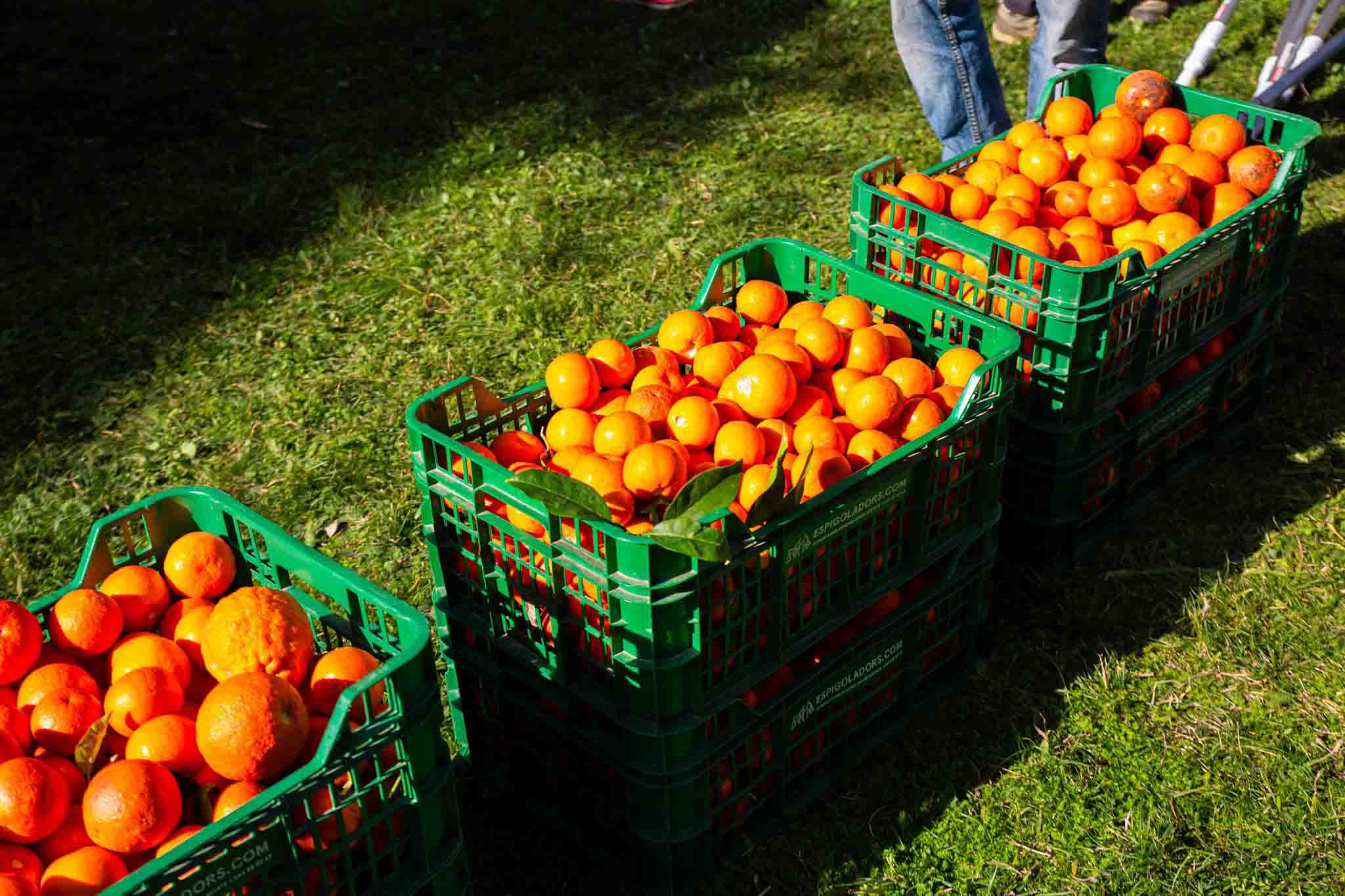
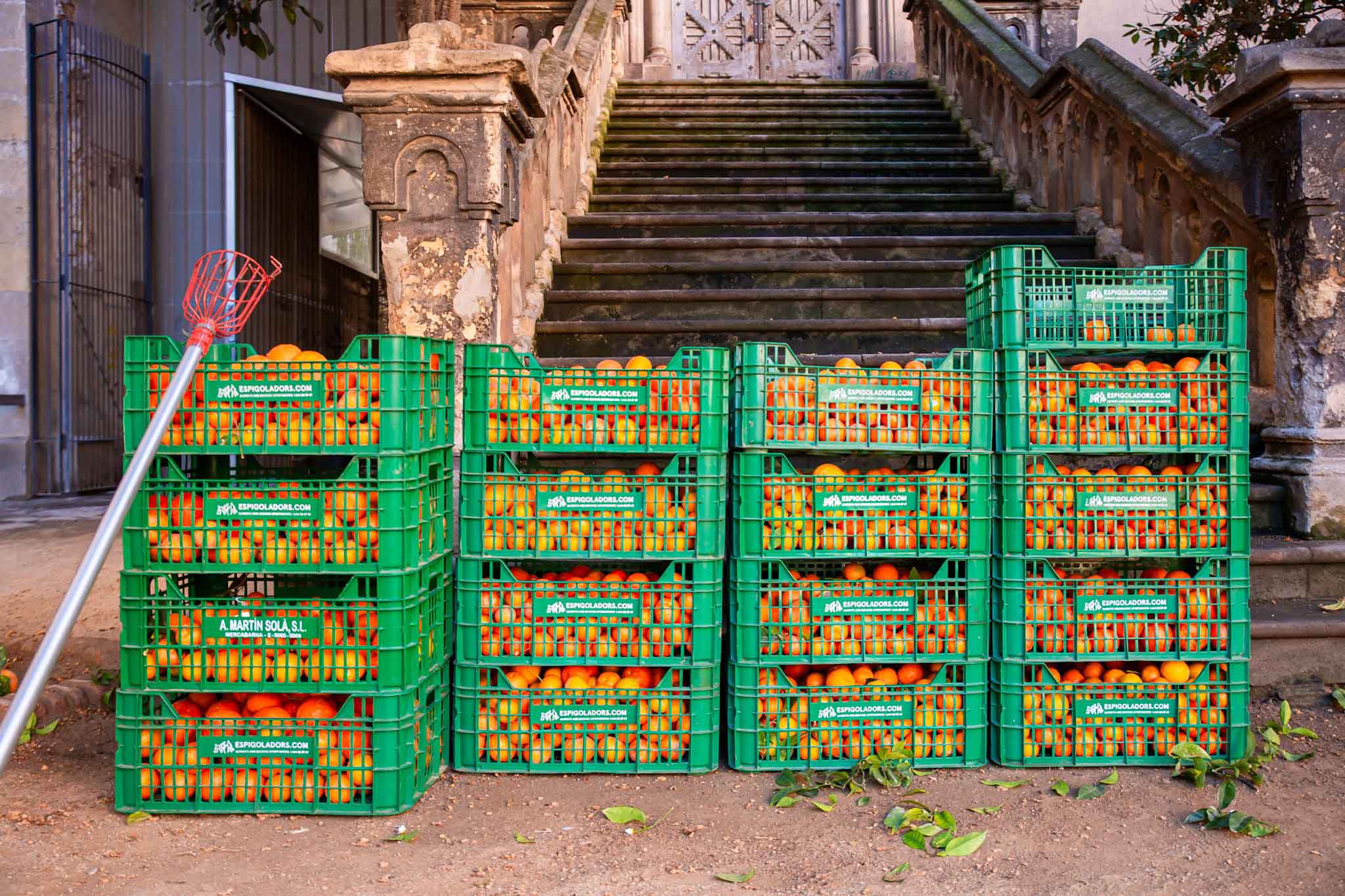
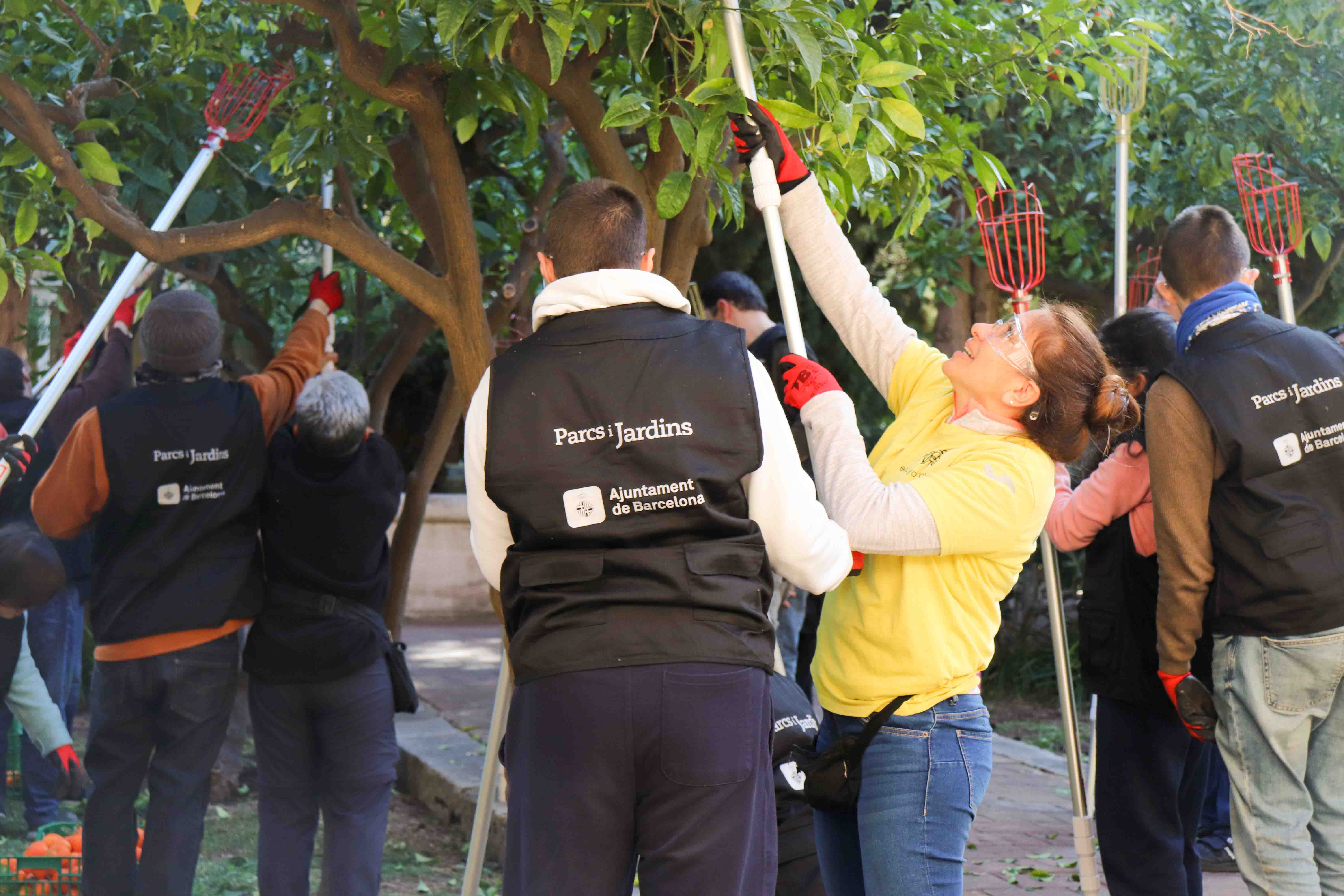
#BarcelonaEspigola is a project to give these bitter oranges a second life and turn them into marmalade. After the success of the pilot started in the Sant Andreu district in 2021, where 35% of all the city’s orange trees are located, the Barcelona City Council decided to expand this initiative to other districts. 

This initiative is managed by Parks and Gardena in conjunction with the districts, with the coordination of the Fundació Espigoladors, and it contributes to a healthier and more sustainable city while encouraging food reuse.


2025 campaign

The #BarcelonaEspigola 2025 was held from 6 to 11 February, giving a second life to the city’s bitter oranges. This initiative is promoted by Parks and Gardens and forms part of the Mans al Verd [All Hands to Greenery] programme. It encourages people to make full use of food resources through green and circular economy initiatives that promote citizen participation to help make the city healthier, fairer and more sustainable.

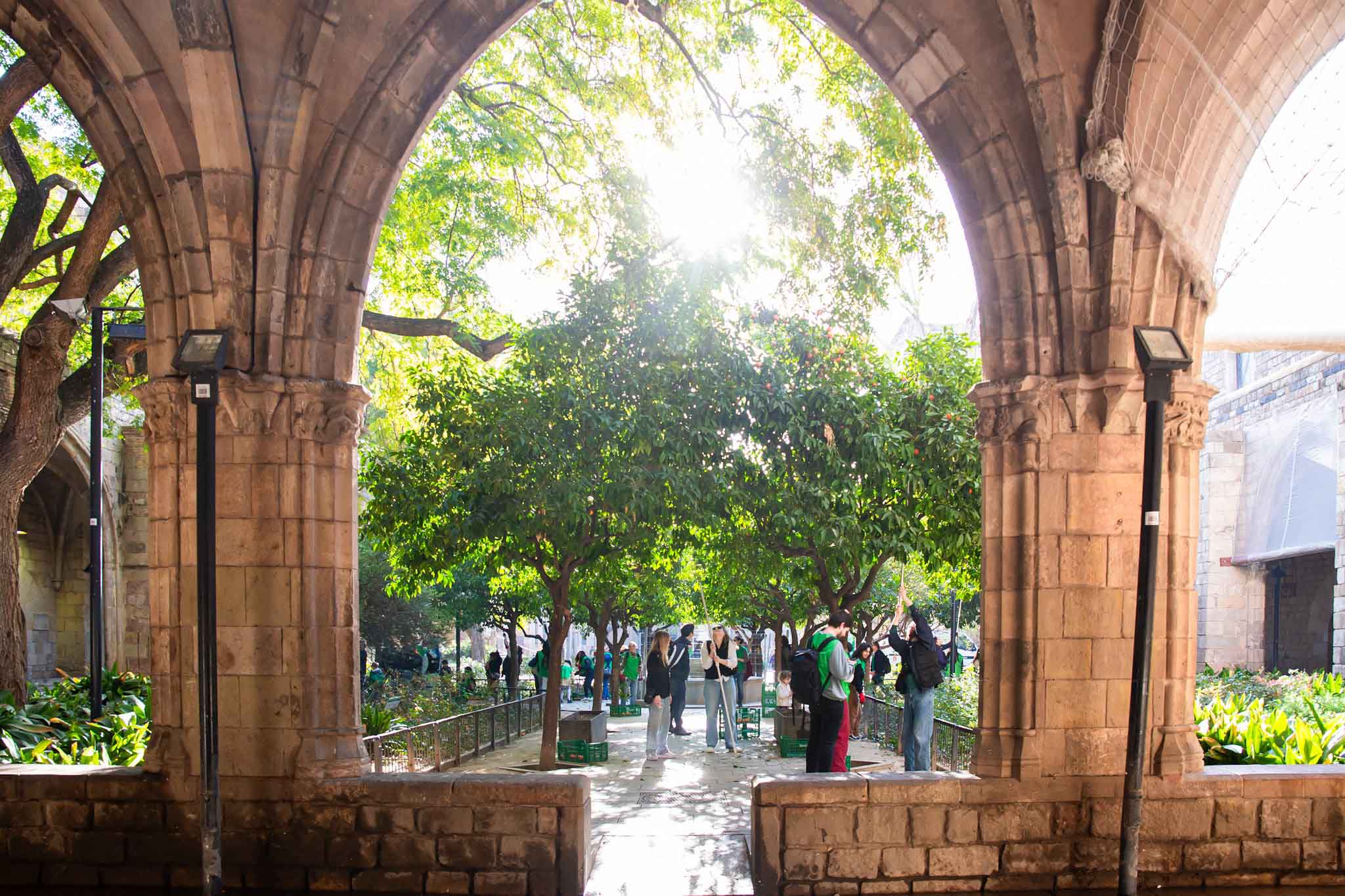
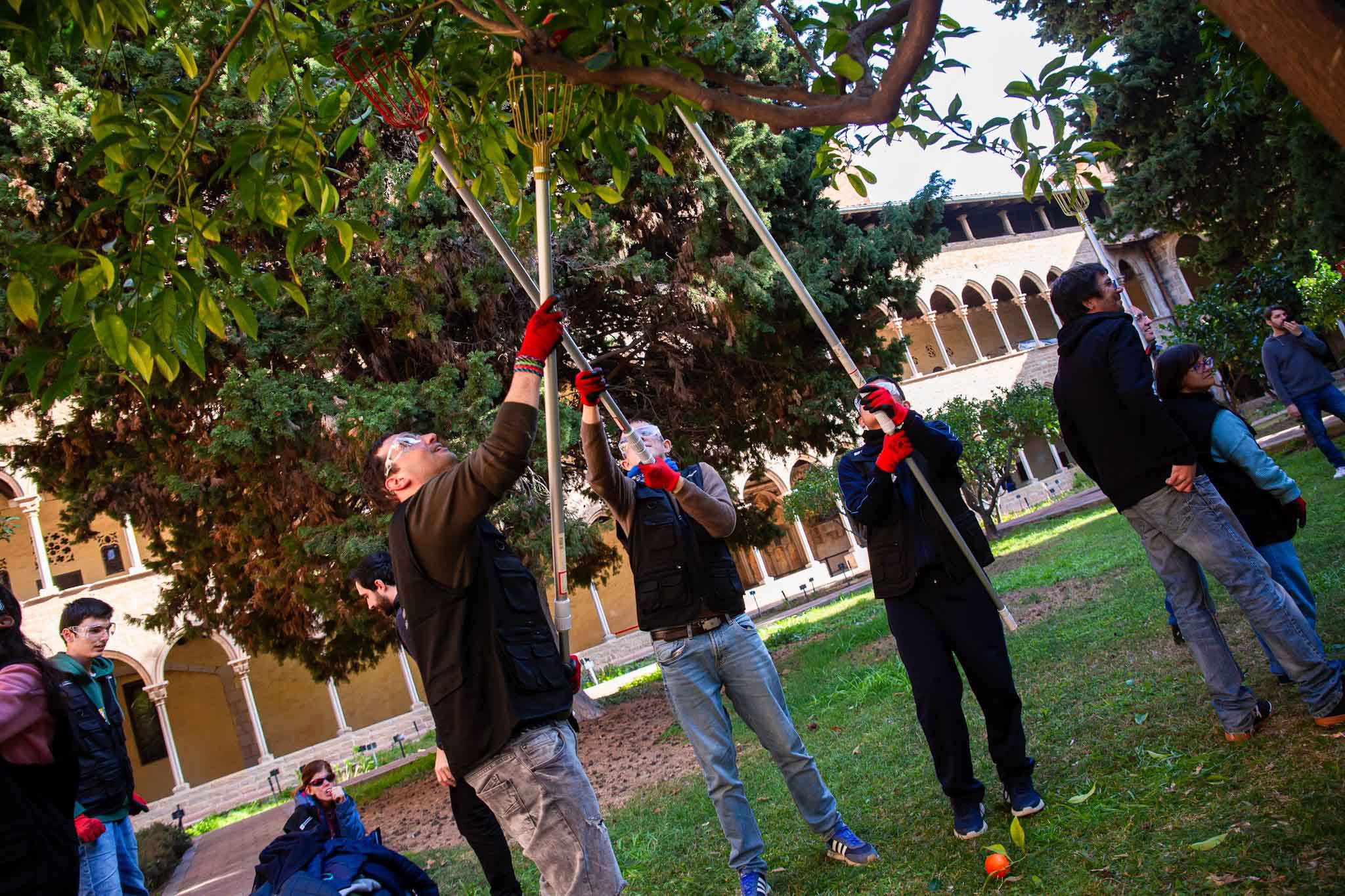
This fifth consecutive edition of the initiative was carried out in the districts of Ciutat Vella, Les Corts, Eixample, Gràcia, Sant Martí, Sant Andreu and, for the first time, Horta-Guinardó. Volunteers from organisations and local residents from the districts took part in the respective fruit-picking activities. 

Having been analysed by the Public Health Agency, the oranges collected were processed and made into marmalade in the kitchens of Es im-perfect®, a vocational integration project run by the Fundació Espigoladors. Under the name of ‘La Marga’, the marmalade will be distributed by social organisations from each of the districts to people experiencing food poverty and those at risk of social exclusion. 

In addition to the fruit picking sessions, the project also includes communication and awareness-raising campaigns, holding a series of workshops in education centres and at local organisations to share with children, young people and the general public the problem of food waste and to exchange reflections on the right to healthy and sustainable food. 

More than 550 volunteers took part in the 2025 edition of the project and a total of 4,930 kilos of bitter oranges were collected and transformed. The result was 13,400 jars of marmalade, which will be distributed among numerous social organisations in the city.

Image
Image
Image

FAQS

The Barcelona Biodiversity Atlas is the tool that helps you to see information on urban green spaces and shows the tree, plant, bird, butterfly and other species. This map is divided into Barcelona’s 73 neighbourhoods.

Barcelona has more than 3,300 orange trees, approximately 1.5% of the city’s trees.

The district with the most orange trees is Sant Andreu, with more than 1,100, accounting for 35% of all the city’s orange trees. Sant Martí has nearly 500; Horta-Guinardó around 340; Gràcia almost 300; Nou Barris approximately 220; Ciutat Vella and Sants-Montjuïc about 200 each; L’Eixample and Sarrià-Sant Gervasi 165 each, and Les Corts around 70. 

Parks and Gardens green-prunes the orange trees, which means thinning their canopy without removing oranges, every four to five years.

Parks and Gardens, working in conjunction with the districts, chooses the streets where the most oranges may be harvested to make marmalade, considering factors like the number of trees with enough oranges and traffic calming.

The Environment Byelaw prohibits certain actions affecting urban vegetation but allows fruit to be harvested with a municipal licence, provided the space is protected and the activity is carried out sustainably.

Insurance is required for those harvesting the fruit and for third-party liability. It is arranged once registration to take part in the harvest is confirmed.

Ever since the Government Measure on the Eradication of Glyphosate Use was approved, no herbicides have been used in the public space, including tree pits on city streets. Phytosanitary products are only applied in exceptional cases of pests, such as the pine processionary.

Ever since the Government Measure on the Eradication of Glyphosate Use was approved, no herbicides have been used in the public space, including tree pits on city streets. Phytosanitary products are only applied in exceptional cases of pests, such as the pine processionary.

The Barcelona Public Health Agency (ASPB) carries out analyses on washed raw oranges to detect possible polycyclic aromatic hydrocarbons (PAHs), heavy metals and pesticide compounds. The results comply with the regulations in force.

Documents and links

Projecte de recuperació i transformació de taronja amarga de carrer a la ciutat de Barcelona - Memòria 2025
Project to recover and transform the bitter oranges on Barcelona’s city streets - 2024 report
Project to recover and transform the bitter oranges on Barcelona’s city streets - 2023 report
Project to recover and transform the bitter oranges on Barcelona’s city streets - 2022 report
Food reuse of the bitter oranges on the street to make marmalade in the Sant Andreu district

galeria

Note for screen reader users. This gallery shows two elements simultaneously, which can be images or videos. Use the controls to show the previous or the next element.
Bodego pots melmelada
Barcelona City Council logo
  • Sitemap
  • Legal notice
  • Accessibility